How to improve your EPC rating
- Practical tips from accredited energy assessors
- Simple changes that can jump you a full band
- Lower energy bills and a higher property value
- Meet minimum rental requirements with confidence
- Get your current rating assessed from £69
1. Insulate your loft
Loft insulation is the single most cost-effective improvement for your EPC. RDSAP 10 scores thickness directly — properties under 100mm can jump a full band by topping up to 270mm.
Standard three-bedroom house. DIY rolls available, or £500-£900 professionally installed.
If you already have insulation but it has compressed over the years, topping it up is straightforward. Most suppliers sell rolls you can lay yourself.
If the loft is boarded over, have the receipt or installer guarantee ready. Without evidence, the assessor must assume worst case rather than recording the actual depth.
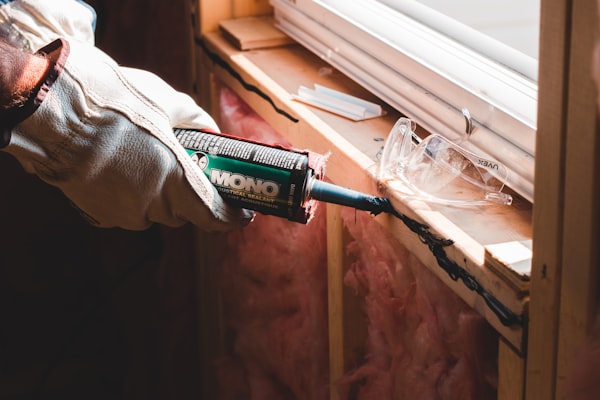
2. Upgrade your boiler
Old boilers are the biggest drag on EPC ratings. A G-rated boiler from the 1990s runs at 60-65% efficiency. A modern condensing boiler hits 89-94%. RDSAP scores boiler efficiency separately, so this upgrade has a direct impact.
If your boiler is over 15 years old, replacing it is one of the biggest single improvements you can make.
Servicing your existing boiler keeps it safe but will not change the RDSAP score. The EPC improvement only comes from the efficiency rating of the boiler itself.
RDSAP scores the boiler model and year. If you have recently replaced your boiler, have the installation certificate ready so the assessor can record the exact model and its rated efficiency.
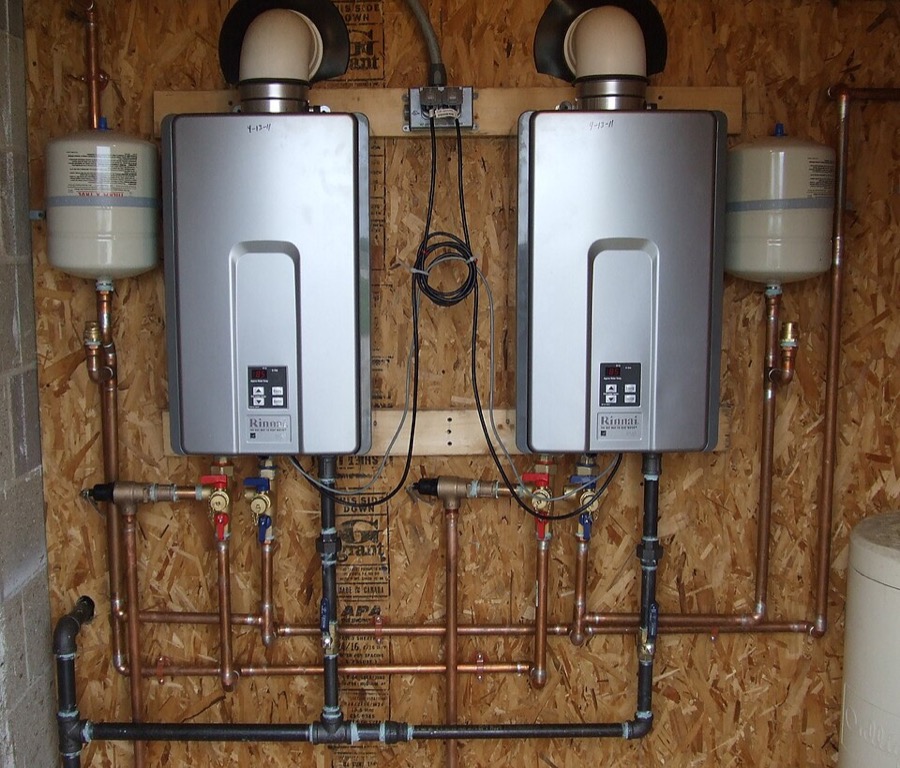
3. Switch to LED lighting
The easiest and cheapest win on this list. RDSAP counts the percentage of fixed lighting outlets that use low-energy bulbs. Replace all halogens and old bayonet bulbs with LEDs.
Aim for 100% coverage. Every fixed fitting counts, including bathroom lights, landing lights, and cabinet lighting.
LED bulbs last years longer than incandescent and use around 80% less energy. The improvement is straightforward and immediate.
The assessor counts fixed light fittings, not plug-in lamps. A table lamp with an LED bulb does not count. Focus on ceiling lights, wall lights, and recessed spotlights.

4. Install cavity wall insulation
Homes built between the 1930s and 1990s often have unfilled cavity walls. Filling that gap can save up to £250 a year on a typical semi-detached and typically improves your EPC by one to two bands.
The assessor checks wall thickness, construction type, and drill holes. Have your guarantee certificate ready.
Not all homes are suitable. Solid-walled properties (common pre-1930s) need external or internal wall insulation instead, which is more expensive. Your assessor can tell you which type you have during the visit.
If you have had cavity wall insulation installed, keep the 25-year CIGA guarantee. Without it, the assessor may have to record the walls as uninsulated even if they have been filled.
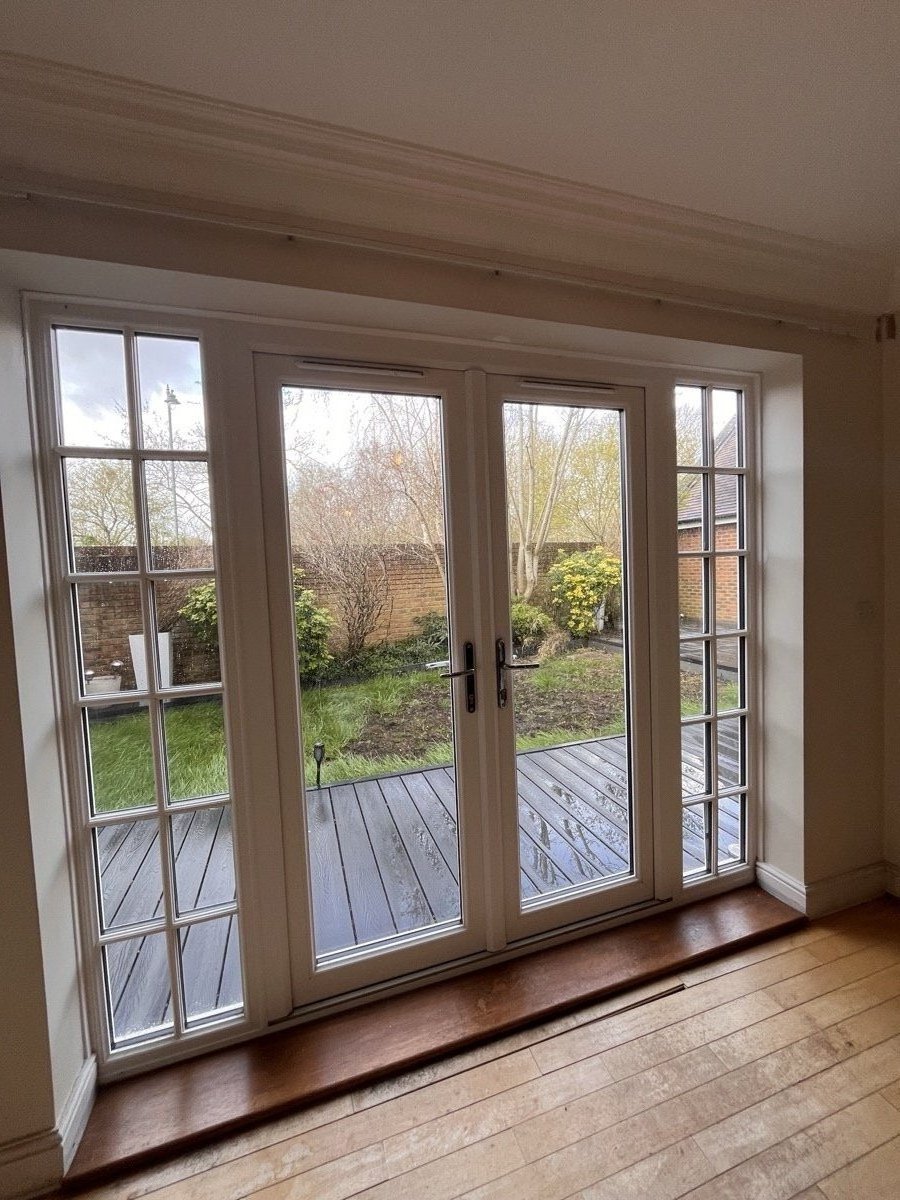
5. Draught-proof doors and windows
Heat escapes through gaps around windows, doors, letterboxes, and keyholes. Double glazing is ideal. RDSAP records glazing type (single, double, triple) and approximate age.
Self-adhesive foam strips take minutes to fit. Letterbox covers, keyhole covers, and chimney balloons all help.
If full double glazing is not in your budget, draught-proofing strips on older windows and doors still make a measurable difference to heat loss and are very inexpensive.
Have your FENSA certificate ready if you have replacement windows. Without it, the assessor may estimate the age and type, which could give you a lower score than you deserve.
6. Add heating controls
RDSAP scores three heating controls independently: programmer (timer), room thermostat, and thermostatic radiator valves (TRVs). Each one is scored separately from the boiler.
No boiler replacement needed. TRVs can be fitted by anyone comfortable with basic plumbing.
If any of these are missing, adding them is one of the cheapest improvements available. You do not need to replace the boiler to add controls.
Check what you already have before the assessment. If you have a programmer and thermostat but no TRVs, just adding TRVs will still improve your score. Fill in the gaps.
Have evidence ready on assessment day
The single most common reason people get a lower EPC rating than they expect is missing evidence. Under RDSAP 10 conventions, if the assessor cannot verify an improvement, they must assume the worst case.
If you have had cavity wall insulation installed but cannot find the guarantee, the assessor may have to record the walls as uninsulated.
Before your assessment, gather any of the following:
Loft insulation
Receipts or installer guarantees showing depth installed
Cavity wall insulation
Usually a 25-year CIGA guarantee from the installer
Boiler
Installation certificate, service records, and model details
Windows & doors
FENSA certificates for any replacement glazing
Building work
Building regulations completion certificates for extensions or conversions
Heating controls
Receipts for programmer, thermostat, or TRVs
Having this paperwork ready can be the difference between a D and a C, or an E and a D. It takes five minutes to dig out but can add real points to your score.
What won't improve your EPC?
Not everything you might expect actually counts in an RDSAP assessment. Here is what does not move the needle:
Smart thermostats
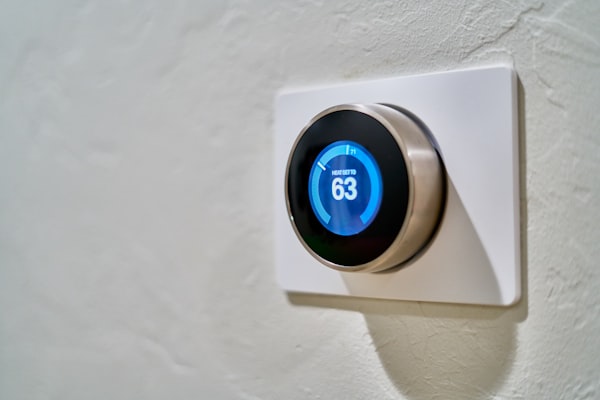
Nest and Hive are great for convenience, but RDSAP scores them the same as a basic £30 thermostat. It only checks whether one is present.
Solar panels
Can help, but the impact varies significantly. RDSAP uses a standardised calculation based on orientation, pitch, and size.
Decoration & cosmetics
New carpets, paint, and a tidy garden have zero impact. The assessment is entirely about building fabric and energy features.
Air fresheners & plants
Surprisingly common question. No, they do not affect your rating in any way.
Portable heaters
Plug-in radiators, fan heaters, and electric blankets are not part of the fixed heating system and are not assessed.
Ready to find out your rating?
Book your EPC online, or get in touch to ask a question first.
| Score | Rating | Current |
|---|---|---|
| 92+ | ||
| 81-91 | ||
| 69-80 | ||
| 55-68 | ? ? | |
| 39-54 | ||
| 21-38 | ||
| 1-20 |
Need help with improvements?
Thinking about insulation, a new boiler, or other upgrades? Get in touch and we can point you in the right direction.
The information on this page is general guidance only and should not be taken as professional or official advice. Costs and savings are approximate and will vary depending on your property, location, and individual circumstances. Kubo EPC is not a financial adviser, building surveyor, or retrofit coordinator. For specific recommendations about your property, book an EPC assessment or consult a qualified professional. Information is believed to be accurate as of March 2026 but regulations and prices may change.
Book an EPC in your area
We cover London and surrounding areas. Find your nearest area page for local pricing and availability.
Ready to book your EPC?
Next-day appointments usually available. Book online, call, or WhatsApp.
Book OnlineWhat our customers say
Rated 5.0 out of 5 on Google.