Energy Performance Certificates in Orpington
- Fixed prices from £69
- Lodged on the government register within 24 hours
- Local accredited assessor
- Rated 5.0 on Google · 1,000+ jobs completed
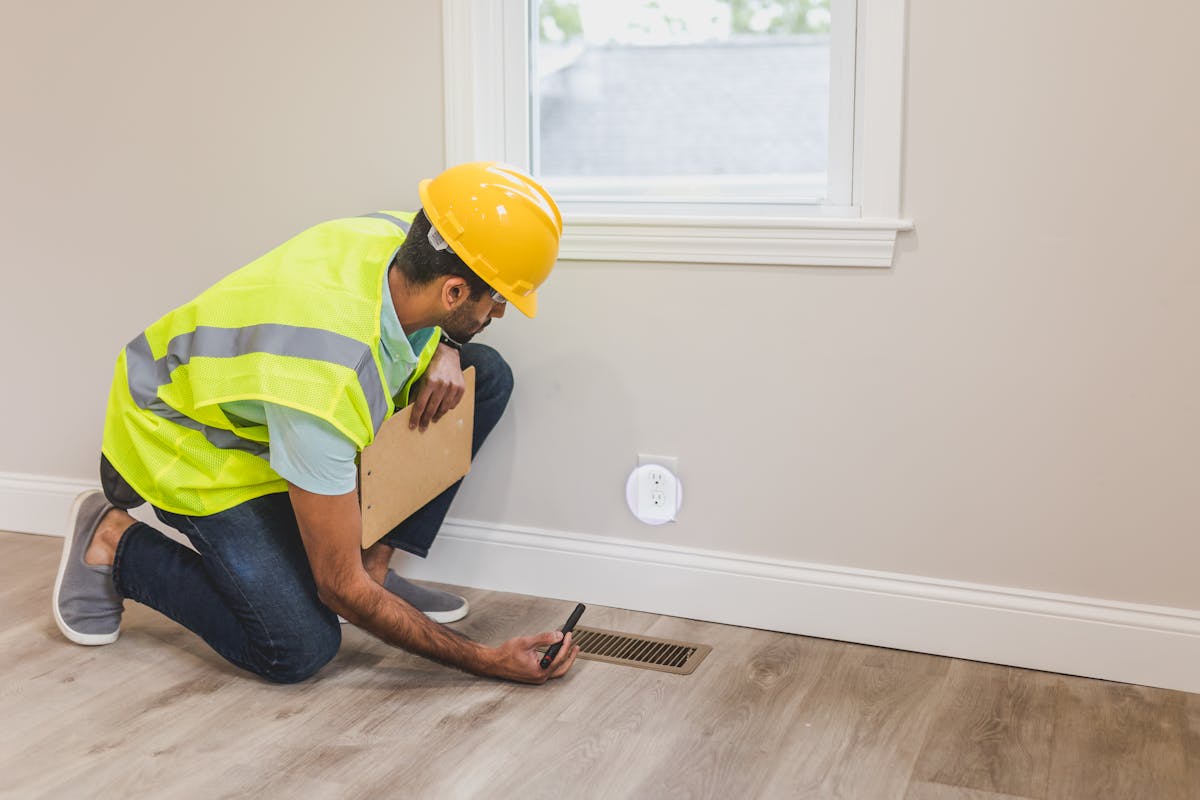
Professional EPC surveys across Orpington.
Kubo covers all of Orpington and the surrounding areas including BR5, BR6, Orpington High Street, and the surrounding estates. We can usually book a survey near you within 1 to 2 working days.
Orpington is a large suburban town on the London-Kent border with extensive 1930s housing stock, newer estates from the 1960s-80s, and some older properties near the village centre. It's popular with families and has a busy sales market.
Also covering nearby: Petts Wood, Bromley, Chislehurst, Swanley, Sevenoaks, West Wickham
Get a quote nowHow Kubo works
Your EPC, sorted in three simple steps. Our assessors cover BR5 and BR6 regularly and can usually reach Orpington within 1-2 working days.
Get an instant quote
Choose your service, add a few property details, and your fixed price appears straight away.
Book in seconds
Book and pay online. We confirm your appointment the same day, usually within the hour.
Certified within 24 hours
We carry out the survey and lodge the certificate on the national register within 24 hours.
What is an EPC?
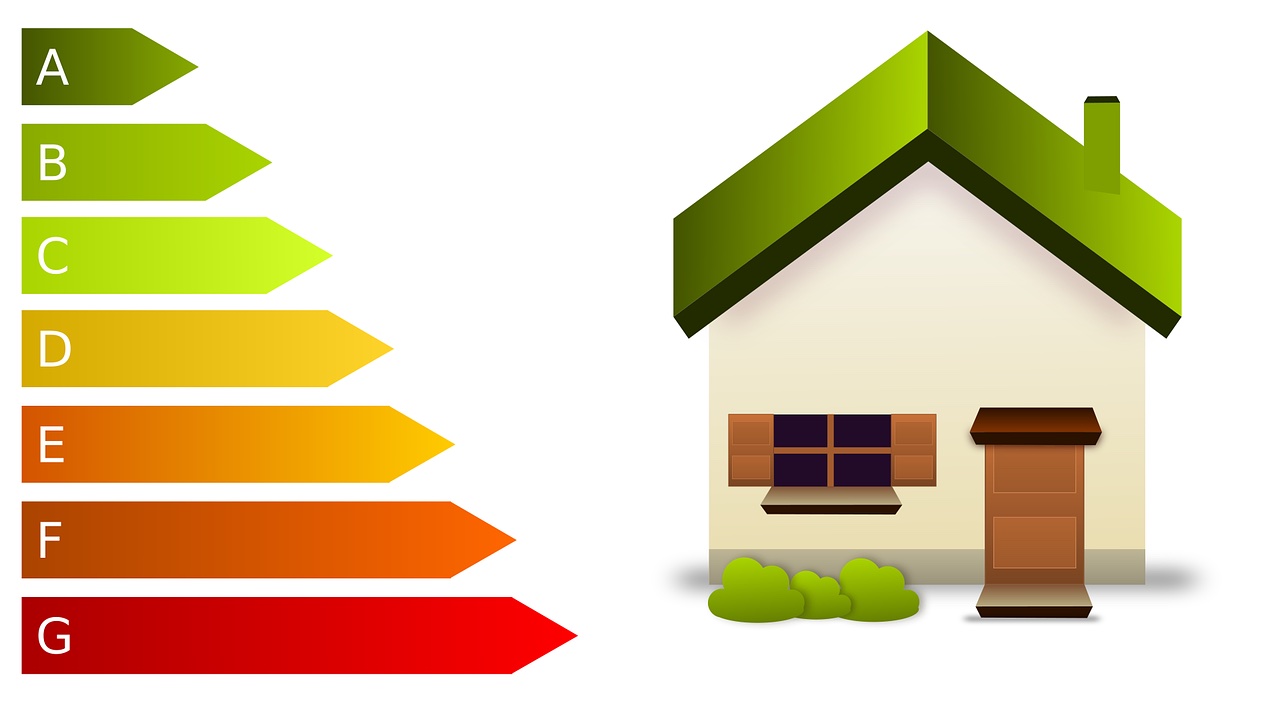
An Energy Performance Certificate (EPC) rates your property's energy efficiency from A (most efficient) to G (least efficient). It's a legal requirement in England and Wales whenever you sell, rent, or build a property.
- Legally required: You must have a valid EPC before marketing a property for sale or rent. Failure to provide one can result in a fine of up to £5,000.
- Valid for 10 years: Once issued, your certificate lasts a decade. No need to renew unless you want an updated rating after improvements.
- Includes recommendations: Every EPC comes with practical suggestions to improve your rating, from loft insulation to upgraded boilers.
- Registered on a public database: Your certificate is lodged on the government's EPC register within 24 hours of assessment.
Rated 5.0 on Google
Read what homeowners and landlords say about working with us.
Very professional, communicated prior to visit and offered consultancy on how to improve the energy rating and provided the EPC on the same day! Highly recommend the service.
Very professional and got report done on same day.
Great service from start to finish. I booked an EPC and the whole process was smooth and professional. Everything was completed quickly and the communication was clear throughout. Very happy with the service and would definitely recommend.
Why choose Kubo?
We cover Orpington extensively — from the 1930s housing near the High Street to the newer estates towards Green Street Green.
Fully accredited
Accredited through Quidos and Elmhurst, and registered with the approved government schemes.
Next-day appointments
Short notice is fine. Next day and same day appointments are available right across our area.
Fixed pricing from £69
No hidden fees, no call-out charges. The price you see online is the price you pay.
Rated 5.0 on Google
Real reviews from homeowners and landlords across London. Professional, punctual, and helpful.


Frequently asked questions
Common questions about our services in Orpington
Properties in Orpington
Orpington's housing stock spans nearly a century, from 1930s suburban semis to post-war council estates and modern infill developments.
Common property types
- 1930s semi-detached houses: The dominant property type across Orpington, particularly concentrated along Crofton Road, Sevenoaks Road, and the Court Road area. These three- and four-bedroom family homes were built with cavity walls that often had insulation retrofitted in the 1980s or 1990s. That insulation has frequently settled or degraded over time, reducing its effectiveness and pulling EPC ratings down to D or E. Most have suspended timber ground floors with little or no insulation underneath.
- Petts Wood inter-war estate: Petts Wood was developed in the late 1920s and 1930s as a planned suburban estate with distinctive Arts and Crafts influenced architecture. Properties here tend to be well-maintained detached and semi-detached houses with larger-than-average floor areas. The decorative features — exposed timber framing, tile-hung upper storeys, and bay windows — can complicate EPC assessments because each construction element needs to be recorded separately.
- Chislehurst period properties: Large detached Edwardian and Victorian houses, some within the Chislehurst conservation area. These properties often have solid brick walls with no cavity to insulate, original single-glazed sash windows, and high ceilings that increase heating demand. Floor areas of 150-250 square metres are common, which pushes assessments into the higher pricing band.
- Goddington bungalows: The streets around Goddington Park include a pocket of 1950s and 1960s bungalows, popular with downsizers and retirees. These single-storey properties have accessible loft spaces that are straightforward to insulate, but many have flat-roof rear extensions added over the years that perform poorly on EPC assessments due to limited insulation depth.
- Ex-council maisonettes: Purpose-built two-storey maisonettes in St Mary Cray and parts of the Ramsden estate. These are typically concrete or no-fines construction with shared entrance hallways. Each self-contained unit needs its own EPC when let or sold, and the non-standard construction means the assessor has to record wall types carefully to get an accurate rating.
- St Mary Cray post-war housing: Purpose-built council housing from the 1950s and 1960s, including maisonettes, flats, and terraced houses. Many have been transferred to housing associations or sold under Right to Buy. Construction is typically concrete frame or no-fines concrete, and heating systems range from modern gas combi boilers to older electric storage heaters. These properties often have the most potential for rating improvement through relatively low-cost measures.
Typical EPC issues we find in Orpington
- Degraded cavity wall insulation: Many 1930s semis had cavity fill installed decades ago. Where it has slumped or become damp, RDSAP cannot credit it fully, and extraction and replacement may be needed to achieve a better rating.
- Uninsulated suspended timber floors: Extremely common in pre-war Orpington houses. The void beneath the ground floor lets cold air circulate freely, and most homeowners have never addressed it because it requires lifting floorboards or working from below.
- Flat-roof rear extensions: A common addition to 1930s semis across Orpington. Many were built with minimal insulation and single-skin roofing felt. The assessor records these separately from the main roof, and they often drag down the overall insulation score for the property.
- Older back boilers behind gas fires: Still found in some Orpington properties that have not had their heating system updated. Back boilers have very low seasonal efficiency compared to modern condensing boilers, and replacing one is often the single most impactful improvement on the EPC report.
- Sealed fireplaces with no replacement heating recorded: Older properties that originally had coal fires in every room often have these sealed up. If no radiator or other heat source has been installed in that room, the EPC assessment must record it as an unheated space, which lowers the overall rating.
Nearby areas we cover
As well as Orpington, we cover the surrounding BR postcodes. Same day and next day appointments are available across all of them.
Petts Wood · St Mary Cray · St Paul's Cray · Chelsfield · Cudham · Downe · Farnborough · Green Street Green · Locksbottom · Pratts Bottom
Commercial property in Orpington? We also do commercial EPCs in Orpington for shops, offices, restaurants and industrial units, from £149.
Book your EPC in Orpington today
Get an instant quote, pick a time that suits you, and have your certificate lodged on the government register within 24 hours.
Get your EPC quoteWhat our customers say
Rated 5.0 out of 5 on Google.