Energy Performance Certificates in Swanley
- Fixed prices from £69
- Lodged on the government register within 24 hours
- Local accredited assessor
- Rated 5.0 on Google · 1,000+ jobs completed
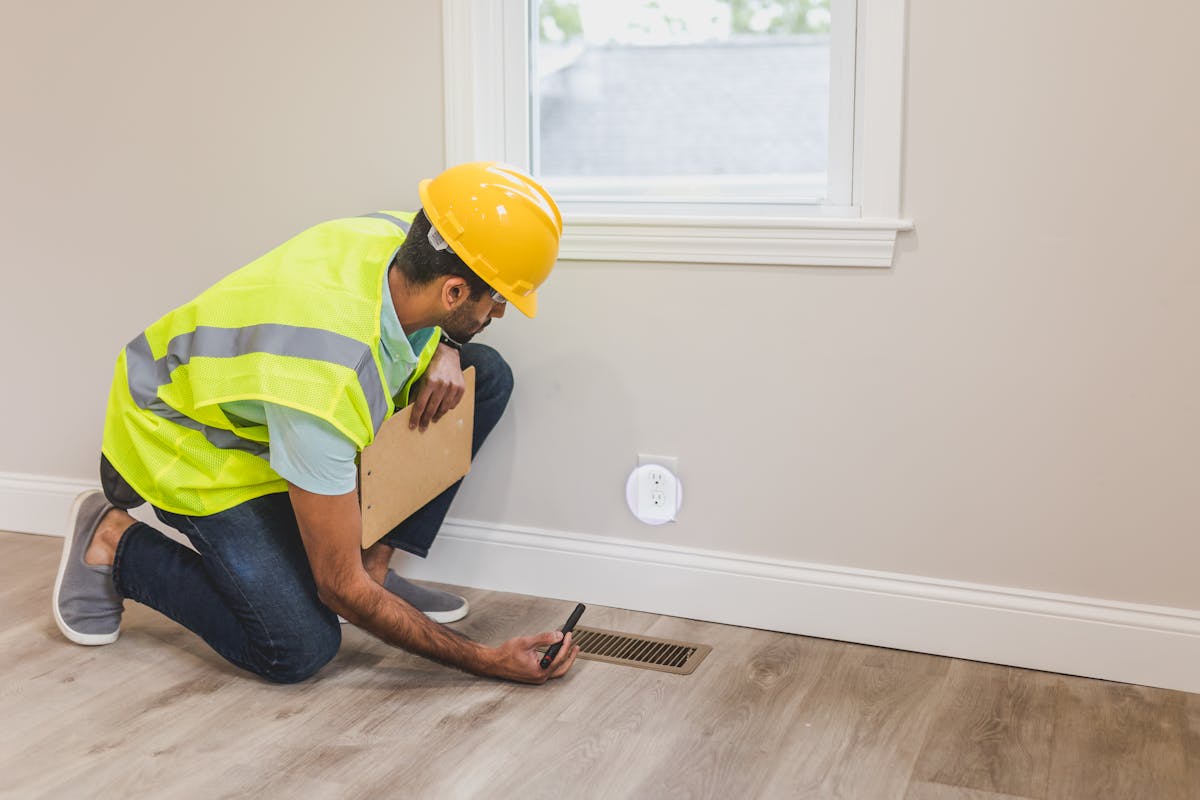
Professional EPC surveys across Swanley.
Kubo covers all of Swanley and the surrounding areas including BR8, Swanley Village, Hextable, and Crockenhill. We can usually book a survey near you within 1 to 2 working days.
Swanley is a growing Kent town with a mix of 1960s-70s housing estates, some older properties in Swanley Village, and new developments on former Green Belt land. It has excellent motorway access and fast trains into London, making it popular with commuters.
Also covering nearby: Dartford, Crayford, Orpington, Longfield, Sevenoaks, Bromley
Get a quote nowHow Kubo works
Your EPC, sorted in three simple steps. Our assessors are based locally in Swanley and can often visit the same day.
Get an instant quote
Tell us the property type and how many bedrooms, and you will see the price before you book.
Book in seconds
Secure online payment, and we come back to you with a confirmed time the same day.
Certified within 24 hours
The assessor visits, completes the survey, and your certificate is registered within a day.
What is an EPC?
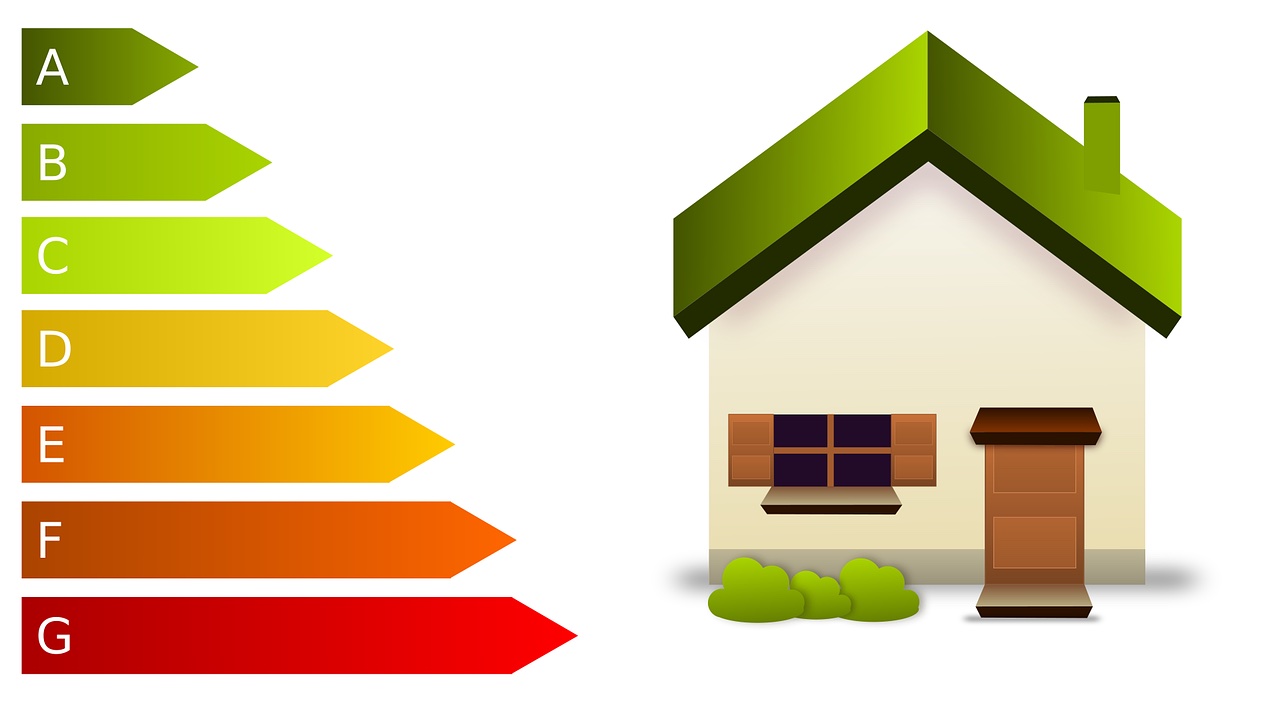
An Energy Performance Certificate (EPC) rates your property's energy efficiency from A (most efficient) to G (least efficient). It's a legal requirement in England and Wales whenever you sell, rent, or build a property.
- Legally required: You must have a valid EPC before marketing a property for sale or rent. Failure to provide one can result in a fine of up to £5,000.
- Valid for 10 years: Once issued, your certificate lasts a decade. No need to renew unless you want an updated rating after improvements.
- Includes recommendations: Every EPC comes with practical suggestions to improve your rating, from loft insulation to upgraded boilers.
- Registered on a public database: Your certificate is lodged on the government's EPC register within 24 hours of assessment.
Rated 5.0 on Google
Read what homeowners and landlords say about working with us.
Very professional, communicated prior to visit and offered consultancy on how to improve the energy rating and provided the EPC on the same day! Highly recommend the service.
Very professional and got report done on same day.
Great service from start to finish. I booked an EPC and the whole process was smooth and professional. Everything was completed quickly and the communication was clear throughout. Very happy with the service and would definitely recommend.
Why choose Kubo?
We're based right here in Swanley. BR8 is our home patch, and we know the local housing stock better than anyone.
Fully accredited
Our assessors hold Quidos and Elmhurst accreditation and sit on the approved scheme registers.
Next-day appointments
We keep slots free for urgent work, so next day and same day bookings are usually possible.
Fixed pricing from £69
No hidden fees, no call-out charges. The price you see online is the price you pay.
Rated 5.0 on Google
Real reviews from homeowners and landlords across London. Professional, punctual, and helpful.


Frequently asked questions
Common questions about our services in Swanley
Properties in Swanley
Swanley's housing is predominantly 1960s and 1970s estate-built, with pockets of Victorian cottages, 1930s suburbs in Hextable, and rural properties in Crockenhill.
Common property types
- 1960s-70s estate housing: The bulk of Swanley's residential stock was built during the town's rapid expansion. Estates around Swanley Village, Highlands, and the town centre feature semi-detached houses, short terraced rows, and purpose-built flats. Construction is typically brick cavity wall, many with flat-roofed rear extensions added in the 1970s or 1980s. Flat roofs let out more heat than pitched ones, so these extensions can drag a rating down.
- Victorian cottages: A small number of older cottages survive along the High Street and London Road, dating from before Swanley's post-war growth. These have solid brick walls, typically 9-inch construction with no cavity, and often retain original features like sash windows and chimney breasts. While characterful, they tend to score poorly on EPCs without significant upgrades to insulation and glazing.
- Hextable 1930s semis and bungalows: The neighbouring village of Hextable developed earlier than central Swanley, with a mix of three-bedroom semis and detached bungalows built in the 1930s. These properties typically have cavity walls and are good candidates for insulation if it has not already been done. Bungalows here often have large loft spaces that are straightforward to insulate, offering easy rating improvements.
- Crockenhill rural properties: The village of Crockenhill sits to the south and includes older farmhouse conversions, detached houses on larger plots, and some newer builds. Farmhouse conversions often have mixed construction — part solid wall, part cavity, sometimes with later extensions — which makes EPC assessment more complex. Oil-fired heating is still found in some of the more rural properties here.
- Ex-council flats: Purpose-built blocks across the town centre estates, typically 1960s-70s construction with concrete floors and flat roofs. Many have had windows replaced but still run on electric storage heaters, which keeps ratings low. Some blocks have had external wall insulation applied by the council, which helps considerably.
- Bungalows in Hextable and Swanley Village: Detached and semi-detached bungalows from the 1930s-1950s, popular with downsizers. Large roof areas relative to floor space mean loft insulation has a big impact on the rating. Many have been extended over the years, sometimes with flat-roofed additions that perform poorly.
Typical EPC issues we find in Swanley
- Flat roofs on 1960s-70s extensions: Rear extensions built during Swanley's estate development era almost always have flat roofs with minimal insulation. These are one of the biggest drags on EPC ratings locally, and upgrading the roof insulation from above or below can shift a property from an E to a D or even C.
- Electric storage heaters: Common in older flats and some ex-council properties across the town centre estates. Storage heaters score significantly worse than gas central heating in RDSAP calculations, often resulting in E or F ratings. Switching to a gas system or modern electric panel heaters with individual controls can make a substantial difference.
- Poor ventilation in tightly sealed 1970s homes: Some Swanley properties from this era were built with minimal deliberate ventilation, leading to condensation and damp issues. While airtightness can be positive for energy efficiency, the lack of controlled ventilation means these homes can develop problems that affect both the EPC assessment and the property's condition.
- Single-glazed windows in older cottages: The Victorian cottages along the High Street and London Road often retain original single-glazed sash windows. Replacing these with double glazing improves both the EPC rating and comfort, but even secondary glazing can help if you want to keep the originals.
- Loft insulation below current standards: Many Swanley properties had loft insulation installed decades ago at 50-100mm. The current recommendation is 270mm. Topping up is one of the cheapest improvements available and can shift a rating by half a band or more.
Book your EPC in Swanley today
Get an instant quote, pick a time that suits you, and have your certificate lodged on the government register within 24 hours.
Get your EPC quoteWhat our customers say
Rated 5.0 out of 5 on Google.