Energy Performance Certificates in Longfield
- Fixed prices from £69
- Lodged on the government register within 24 hours
- Local accredited assessor
- Rated 5.0 on Google · 1,000+ jobs completed
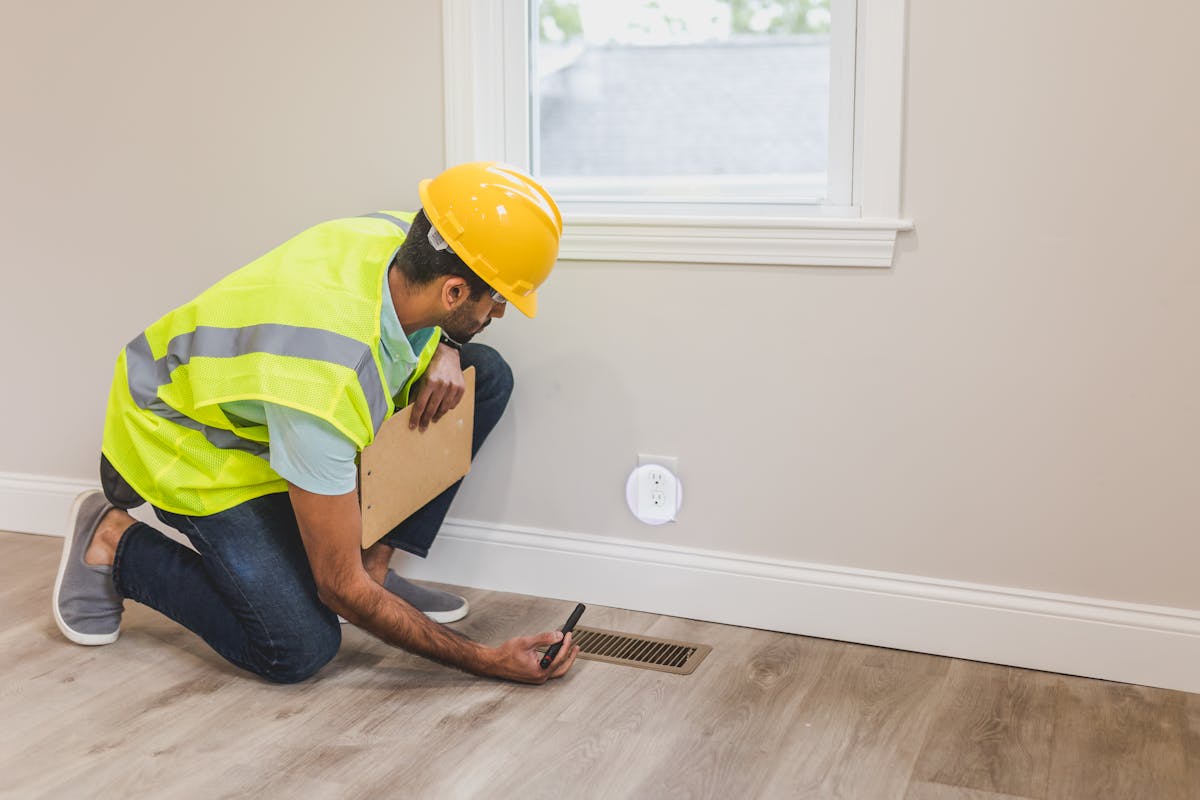
Professional EPC surveys across Longfield.
Kubo covers all of Longfield and the surrounding areas including DA3, Hartley, and New Ash Green. We can usually book a survey near you within 1 to 2 working days.
Longfield is a semi-rural area in north-west Kent with a mix of 1930s ribbon development, post-war housing estates, and some period properties in the older hamlets. New Ash Green is a notable 1960s planned village with distinctive flat-roofed houses.
Also covering nearby: Dartford, Swanley, Gravesend, Crayford, Swanscombe, Sevenoaks
Get a quote nowHow Kubo works
Your EPC, sorted in three simple steps. Our assessors cover DA3 and can usually reach Longfield within 1-2 working days.
Get an instant quote
Pick your service, enter your property details, and see a fixed price in 60 seconds.
Book in seconds
Pay securely online. We confirm your slot the same day, often within the hour.
Certified within 24 hours
We visit, complete the survey, and lodge your certificate on the government register.
What is an EPC?
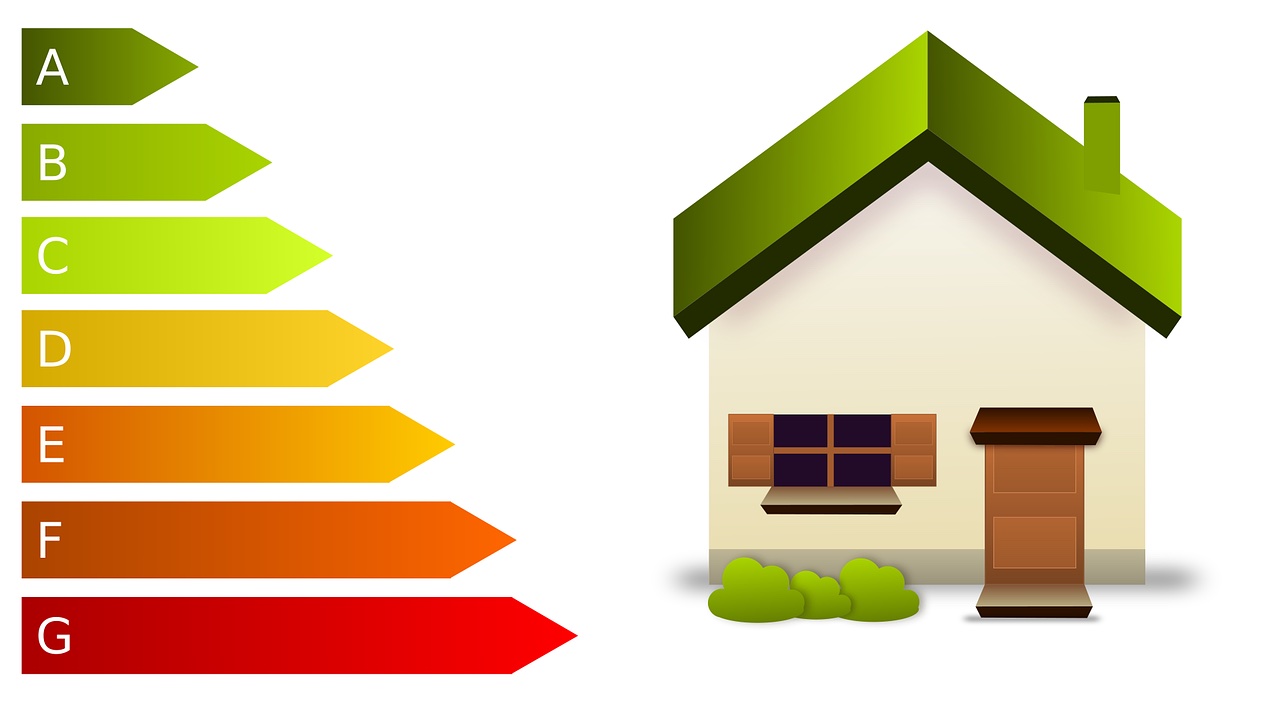
An Energy Performance Certificate (EPC) rates your property's energy efficiency from A (most efficient) to G (least efficient). It's a legal requirement in England and Wales whenever you sell, rent, or build a property.
- Legally required: You must have a valid EPC before marketing a property for sale or rent. Failure to provide one can result in a fine of up to £5,000.
- Valid for 10 years: Once issued, your certificate lasts a decade. No need to renew unless you want an updated rating after improvements.
- Includes recommendations: Every EPC comes with practical suggestions to improve your rating, from loft insulation to upgraded boilers.
- Registered on a public database: Your certificate is lodged on the government's EPC register within 24 hours of assessment.
Rated 5.0 on Google
Read what homeowners and landlords say about working with us.
Very professional, communicated prior to visit and offered consultancy on how to improve the energy rating and provided the EPC on the same day! Highly recommend the service.
Very professional and got report done on same day.
Great service from start to finish. I booked an EPC and the whole process was smooth and professional. Everything was completed quickly and the communication was clear throughout. Very happy with the service and would definitely recommend.
Why choose Kubo?
We cover Longfield, Hartley, and New Ash Green — including the area's distinctive 1960s planned housing that needs specialist assessment knowledge.
Fully accredited
Quidos and Elmhurst accredited Domestic Energy Assessors, registered with approved schemes.
Next-day appointments
Need it fast? We offer next-day and same-day bookings across London and surrounding areas.
Fixed pricing from £69
No hidden fees, no call-out charges. The price you see online is the price you pay.
Rated 5.0 on Google
Real reviews from homeowners and landlords across London. Professional, punctual, and helpful.


Frequently asked questions
Common questions about our services in Longfield
Properties in Longfield
Longfield is a village in the DA3 postcode, sitting between Swanley and Gravesend in the North Downs. Its housing stock combines older village properties, 1960s and 1970s estate housing, and some rural detached homes on larger plots.
Common property types
- 1960s and 1970s estate housing: The bulk of Longfield's residential development came in the 1960s and 1970s, when several estates of semi-detached and detached houses were built on the village fringes toward New Barn and Hartley. These brick cavity wall properties are generally treatable from an EPC perspective, though the insulation standards of the era mean many have inadequate loft and wall insulation by today's standards. Unfilled cavities are common, and loft insulation frequently falls short of 270mm.
- Village centre cottages and older properties: The older core of Longfield village contains a mix of Victorian and Edwardian cottages and small terraces. These solid-wall properties typically score E or F. Some have been significantly modernised — new boilers, double glazing, insulation — but the wall construction remains the dominant factor in the rating. Internal insulation is difficult in these older, lower-ceilinged properties.
- Detached family houses in New Barn and Hartley: The DA3 postcode includes the hamlets of New Barn and Hartley, where detached family houses on generous plots are common. Some of these are 1930s and 1940s builds; others are 1960s-80s. A proportion of the more rural properties are not connected to mains gas and use oil or LPG heating, which scores differently in RDSAP assessments and typically lower than mains gas.
- Bungalows in Hartley and New Barn: The DA3 area has a notable number of bungalows, particularly in the quieter roads around Hartley. These single-storey properties are generally straightforward to assess, with good loft access and simple layouts. Many were built in the 1950s-60s and benefit from cavity wall insulation and loft top-up.
- Barn conversions and rural properties: On the more rural edges of the DA3 postcode, converted barns and farmhouses exist. These can be complex to assess due to non-standard construction, unusual heating systems, and sometimes mixed wall types. They are often off the gas grid and rely on oil or LPG.
- Newer builds: Some more recent development has taken place in the Longfield area, particularly on the edges of New Barn. Properties built after 2000 typically achieve C or B ratings and require minimal improvement work.
Typical EPC issues we find in Longfield
- Oil and LPG heating: A higher proportion of Longfield properties use oil or LPG heating compared to urban areas, reflecting the semi-rural character. Oil boilers score lower than mains gas in RDSAP, and LPG scores lower still. This is one of the most common reasons for D or E ratings in the DA3 postcode. Converting to mains gas (where available) or an air source heat pump is often recommended but requires infrastructure investment.
- Inadequate insulation in 1960s-70s stock: The estate housing from this era was built to lower insulation standards than today. Cavity walls were often left unfilled, loft insulation is frequently below the 270mm standard, and older double glazing may be past its effective life. These are straightforward recommendations to improve the SAP score.
- Solid walls in village centre properties: Victorian and Edwardian cottages in the village core have no cavity to fill. The limited options for improvement — internal or external wall insulation — mean these properties tend to remain at D or E ratings without significant investment.
- Older double glazing past its lifespan: Many 1960s-70s properties in Longfield had double glazing installed in the 1990s or early 2000s. After 20-25 years, sealed units can fail and lose their insulating properties. Failed units are assessed as single glazing in RDSAP, which drags the score down.
- Uninsulated flat roof extensions: Rear kitchen and utility room extensions with flat roofs are common on the estate housing. These flat roofs were often built with minimal insulation and are a significant source of heat loss. Adding insulation above or below is one of the easier improvements available.
Nearby areas we cover
As well as Longfield, we cover the surrounding DA postcodes. Same day and next day appointments are available across all of them.
Hartley · New Ash Green · New Barn · Bean · Darenth · Eynsford · Farningham · Horton Kirby · South Darenth · Sutton at Hone
Book your EPC in Longfield today
Get an instant quote, pick a time that suits you, and have your certificate lodged on the government register within 24 hours.
Get your EPC quoteWhat our customers say
Rated 5.0 out of 5 on Google.