Energy Performance Certificates in Sidcup
- Fixed prices from £69
- Lodged on the government register within 24 hours
- Local accredited assessor
- Rated 5.0 on Google · 1,000+ jobs completed
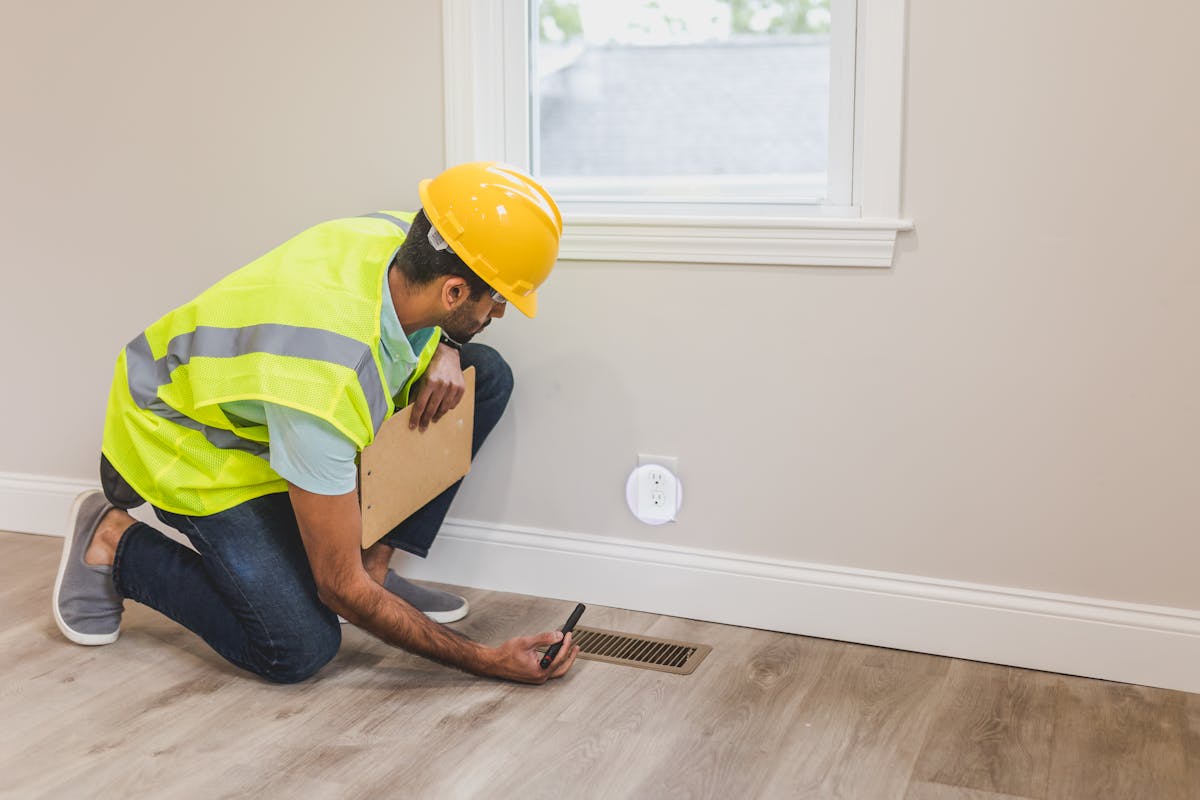
Professional EPC surveys across Sidcup.
Kubo covers all of Sidcup and the surrounding areas including DA14, DA15, Sidcup High Street, and Foots Cray. We can usually book a survey near you within 1 to 2 working days.
Sidcup is a suburban town straddling the London-Kent border with a housing stock dominated by 1930s semi-detached houses. The area also has pockets of Victorian properties near the station and newer developments on former industrial sites.
Also covering nearby: Chislehurst, Bexley, Eltham, Bexleyheath, Welling, Blackheath, Petts Wood
Get a quote nowHow Kubo works
Your EPC, sorted in three simple steps. Our assessors cover DA14 and DA15 regularly and can usually reach Sidcup within 1-2 working days.
Get an instant quote
Tell us the property type and how many bedrooms, and you will see the price before you book.
Book in seconds
Secure online payment, and we come back to you with a confirmed time the same day.
Certified within 24 hours
The assessor visits, completes the survey, and your certificate is registered within a day.
What is an EPC?
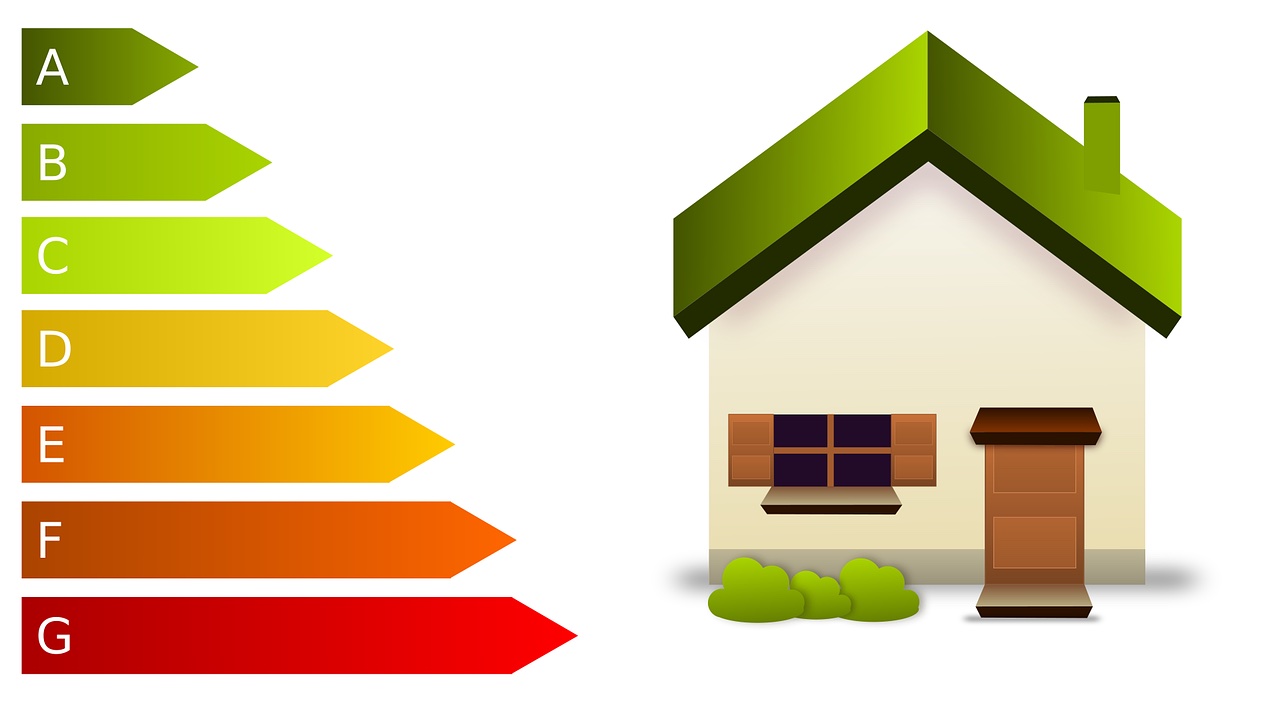
An Energy Performance Certificate (EPC) rates your property's energy efficiency from A (most efficient) to G (least efficient). It's a legal requirement in England and Wales whenever you sell, rent, or build a property.
- Legally required: You must have a valid EPC before marketing a property for sale or rent. Failure to provide one can result in a fine of up to £5,000.
- Valid for 10 years: Once issued, your certificate lasts a decade. No need to renew unless you want an updated rating after improvements.
- Includes recommendations: Every EPC comes with practical suggestions to improve your rating, from loft insulation to upgraded boilers.
- Registered on a public database: Your certificate is lodged on the government's EPC register within 24 hours of assessment.
Rated 5.0 on Google
Read what homeowners and landlords say about working with us.
Very professional, communicated prior to visit and offered consultancy on how to improve the energy rating and provided the EPC on the same day! Highly recommend the service.
Very professional and got report done on same day.
Great service from start to finish. I booked an EPC and the whole process was smooth and professional. Everything was completed quickly and the communication was clear throughout. Very happy with the service and would definitely recommend.
Why choose Kubo?
We assess properties across Sidcup regularly — from the 1930s housing near the station to Victorian properties and newer developments.
Fully accredited
Our assessors hold Quidos and Elmhurst accreditation and sit on the approved scheme registers.
Next-day appointments
We keep slots free for urgent work, so next day and same day bookings are usually possible.
Fixed pricing from £69
No hidden fees, no call-out charges. The price you see online is the price you pay.
Rated 5.0 on Google
Real reviews from homeowners and landlords across London. Professional, punctual, and helpful.


Frequently asked questions
Common questions about our services in Sidcup
Properties in Sidcup
A suburban area dominated by 1930s semi-detached family homes, with pockets of newer development around Foots Cray and Frognal Avenue.
Common property types
- 1930s semi-detached houses: The overwhelming majority of Sidcup's housing stock. Found along Halfway Street, Main Road, Station Road, and throughout the residential streets between. These are typically three-bedroom properties with cavity walls, bay windows, hipped roofs, and generous rear gardens. Most were built with cavity walls but many remain unfilled. Original steel Crittall windows have been replaced in most cases, but some properties still have them. These homes generally score D or E and can often reach C with cavity wall insulation, loft top-up, and a modern boiler.
- 1960s-70s town houses and flats: Small clusters of post-war development around Sidcup station and along the Maidstone Road. These include three-storey town houses and low-rise flat blocks. Construction quality varies, but many have concrete floors, flat roofs on upper sections, and relatively thin walls. Heating systems range from gas central heating to older electric panel heaters in some flats.
- Newer developments off Frognal Avenue: More recent house-building around the Frognal Avenue area and parts of Longlands has added modern detached and semi-detached homes. Built to current building regulations, these properties typically achieve B or C ratings and rarely need any improvement work for EPC compliance.
- Foots Cray mixed stock: The area around Foots Cray has a diverse mix including industrial site conversions, newer apartment blocks, and some older terraced housing. Properties here vary widely in age and construction, making EPC outcomes less predictable than in the main Sidcup residential streets.
- Detached bungalows around Lamorbey: 1950s-60s detached bungalows on generous plots, popular with retirees and downsizers. Large roof areas relative to floor space mean loft insulation has a big impact on the rating. Some retain original oil-fired or solid fuel heating, which scores poorly in the RDSAP calculation.
- Ex-council houses in Albany Park: 1950s semi-detached and terraced houses, many now privately owned. Construction is typically brick cavity wall with concrete floors. Some have had council-funded insulation improvements, but others still have unfilled walls and single-glazed windows that keep ratings at E or below.
Typical EPC issues we find in Sidcup
- Aging cavity wall insulation: Some 1930s properties in Sidcup had cavity wall insulation installed in the 1980s or 1990s. Over time this material can slump, leaving gaps at the top of walls where heat escapes. The EPC assessment assumes insulation is performing correctly unless there is evidence of failure, but if you suspect degradation it is worth investigating before your assessment.
- Old back boilers: A surprising number of Sidcup homes still have back boilers fitted behind gas fires in the living room. These are extremely inefficient by modern standards and can knock a property down by two or three EPC bands compared to a modern condensing boiler. Replacing the back boiler is often the single most impactful improvement a homeowner can make.
- Conservatories and extensions: Many 1930s semis in Sidcup have had conservatories or rear extensions added over the years. If the conservatory is separated from the main house by external-quality doors and walls, it is excluded from the EPC assessment. But if the dividing wall has been removed or replaced with an open archway, the conservatory becomes part of the heated space and its typically poor thermal performance drags the rating down significantly.
- Loft insulation below 270mm: While most Sidcup properties have some loft insulation, many were topped up decades ago and sit at 100mm or less. The current recommendation is 270mm. Topping up loft insulation is one of the cheapest EPC improvements available and can be done as a DIY project or for a few hundred pounds professionally.
- Single-glazed Crittall windows: Some 1930s properties along Station Road and Blackfen Road still have original steel-framed Crittall windows. These are single-glazed and conduct heat rapidly. Replacing them with modern double-glazed units improves the rating and eliminates condensation issues common with metal frames.
- Uninsulated garage conversions: Many Sidcup semis have converted their integral or attached garages into extra living space. If this was done without proper insulation in the walls, floor, and replacement garage door wall, the EPC assessment treats it as a poorly insulated heated room, which drags the overall rating down.
Nearby areas we cover
As well as Sidcup, we cover the surrounding DA postcodes. Same day and next day appointments are available across all of them.
Albany Park · Foots Cray · North Cray · Blackfen · Istead Rise · Lamorbey · Meopham · Southfleet · Vigo Village · Cobham
Commercial property in Sidcup? We also do commercial EPCs in Sidcup for shops, offices, restaurants and industrial units, from £149.
Book your EPC in Sidcup today
Get an instant quote, pick a time that suits you, and have your certificate lodged on the government register within 24 hours.
Get your EPC quoteWhat our customers say
Rated 5.0 out of 5 on Google.