Energy Performance Certificates in Greenwich
- Fixed prices from £69
- Lodged on the government register within 24 hours
- Local accredited assessor
- Rated 5.0 on Google · 1,000+ jobs completed
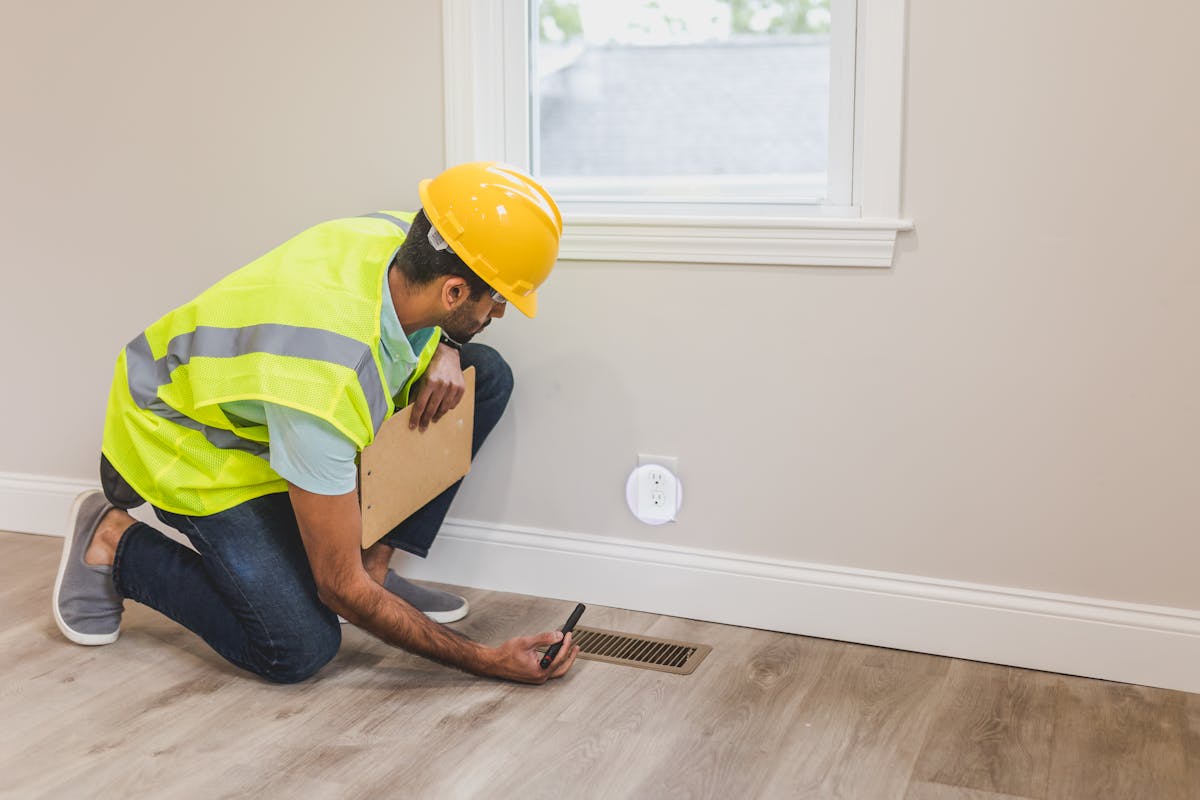
Professional EPC surveys across Greenwich.
Kubo covers all of Greenwich and the surrounding areas including SE10, Greenwich town centre, and the Peninsula. We can usually book a survey near you within 1 to 2 working days.
Greenwich combines historic Georgian and Regency architecture near the park with modern riverside apartments on the Peninsula. The area has a strong property market driven by heritage appeal and excellent transport links via the Jubilee line and DLR.
Also covering nearby: Blackheath, Lewisham, Woolwich, Eltham, Catford, Plumstead, Deptford
Get a quote nowHow Kubo works
Your EPC, sorted in three simple steps. Our assessors cover SE10 regularly and can usually reach Greenwich within 1-2 working days.
Get an instant quote
Tell us the property type and how many bedrooms, and you will see the price before you book.
Book in seconds
Secure online payment, and we come back to you with a confirmed time the same day.
Certified within 24 hours
The assessor visits, completes the survey, and your certificate is registered within a day.
What is an EPC?
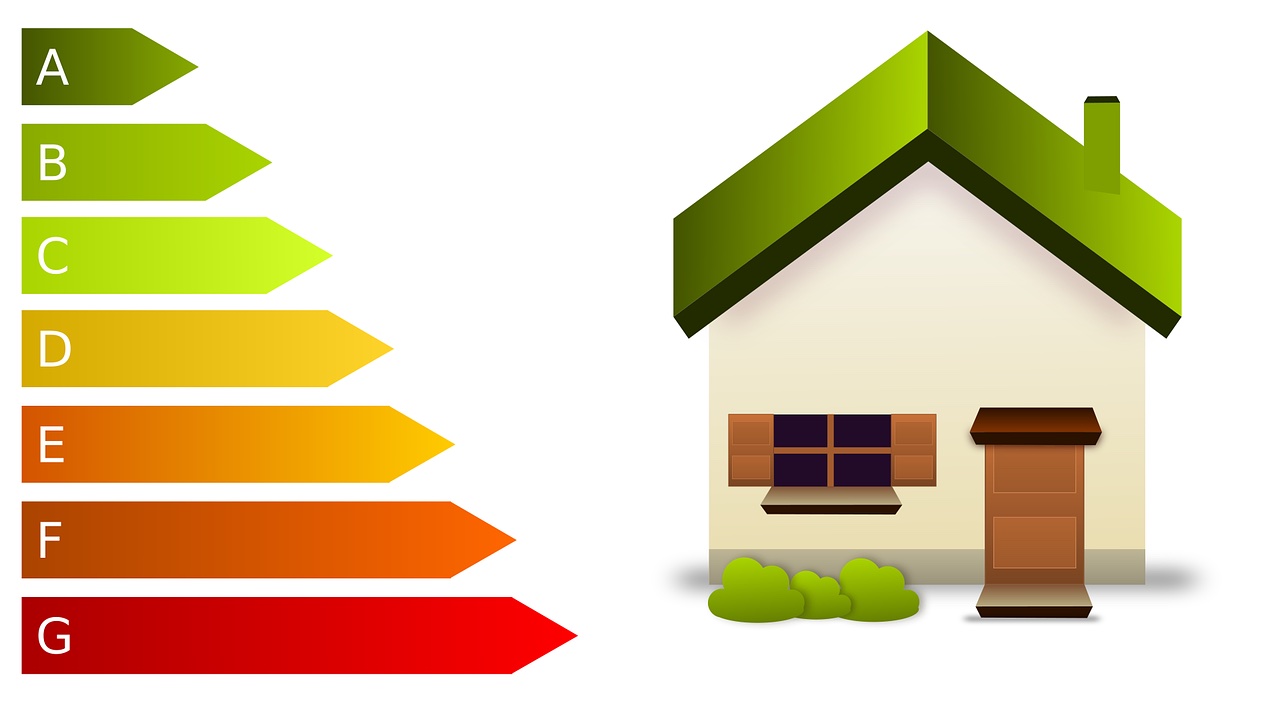
An Energy Performance Certificate (EPC) rates your property's energy efficiency from A (most efficient) to G (least efficient). It's a legal requirement in England and Wales whenever you sell, rent, or build a property.
- Legally required: You must have a valid EPC before marketing a property for sale or rent. Failure to provide one can result in a fine of up to £5,000.
- Valid for 10 years: Once issued, your certificate lasts a decade. No need to renew unless you want an updated rating after improvements.
- Includes recommendations: Every EPC comes with practical suggestions to improve your rating, from loft insulation to upgraded boilers.
- Registered on a public database: Your certificate is lodged on the government's EPC register within 24 hours of assessment.
Rated 5.0 on Google
Read what homeowners and landlords say about working with us.
Very professional, communicated prior to visit and offered consultancy on how to improve the energy rating and provided the EPC on the same day! Highly recommend the service.
Very professional and got report done on same day.
Great service from start to finish. I booked an EPC and the whole process was smooth and professional. Everything was completed quickly and the communication was clear throughout. Very happy with the service and would definitely recommend.
Why choose Kubo?
We understand Greenwich's unique mix of heritage properties near the park and modern apartments on the Peninsula.
Fully accredited
Our assessors hold Quidos and Elmhurst accreditation and sit on the approved scheme registers.
Next-day appointments
We keep slots free for urgent work, so next day and same day bookings are usually possible.
Fixed pricing from £69
No hidden fees, no call-out charges. The price you see online is the price you pay.
Rated 5.0 on Google
Real reviews from homeowners and landlords across London. Professional, punctual, and helpful.


Frequently asked questions
Common questions about our services in Greenwich
Properties in Greenwich
From Grade II-listed Georgian terraces to modern riverside towers, Greenwich has one of south-east London's most varied housing stocks.
Common property types
- Georgian terraces: Found around Greenwich Park, Crooms Hill, and the streets behind the Old Royal Naval College. These are among the oldest residential properties we assess, typically dating from 1780-1830. Built with solid brick walls up to 50cm thick, single-glazed sash windows, and no insulation of any kind. Many are Grade II listed, which severely limits what improvements can be made. Ratings of E, F, or even G are common.
- Victorian conversions in Blackheath: Large Victorian houses on streets like Lee Terrace, Eliot Hill, and around Blackheath Village have been subdivided into flats over the decades. Each flat needs its own EPC, and the conversion quality varies enormously. Shared hallways, party walls between flats, and communal heating systems all complicate the assessment. Individual flats in these buildings typically rate D or E.
- Modern riverside apartments: Greenwich Peninsula has seen extensive development since the Millennium Dome era, with thousands of new-build flats along the Thames. These properties are built to current building regulations with double glazing, modern boilers or communal heating, and good levels of insulation. Ratings of B or C are standard, and EPCs are straightforward.
- Charlton terraces and council blocks: Charlton has a mix of Victorian two-up-two-down terraces and 1960s council tower blocks along the Woolwich Road corridor. The terraces have solid walls and are similar to assess as the Greenwich town centre stock. The council blocks present different challenges: concrete panel construction, communal heating systems, and sometimes asbestos-containing materials that affect what improvements are feasible.
- Maisonettes in Woolwich and Plumstead: Purpose-built 1960s-70s maisonettes, often above garages, found across the estates south of Woolwich Road. These have their own front doors and typically two to three bedrooms. Concrete construction, flat roof sections, and older electric heating are common issues that keep ratings at D or E.
- New-build houses around Kidbrooke Village: The regeneration of the former Ferrier Estate has produced modern family houses and apartments built to current standards. These typically achieve B or C ratings and rarely need improvement work for EPC compliance.
Typical EPC issues we find in Greenwich
- Listed building restrictions: Greenwich town centre is a conservation area, and many properties have listed status. This can prevent owners from installing double glazing, external wall insulation, or even solar panels. Secondary glazing is usually permitted and can help, but the EPC methodology gives it less credit than full replacement double glazing.
- Solid wall Georgian construction: The thick brick walls in Georgian properties conduct heat efficiently to the outside. Internal wall insulation is sometimes possible but reduces room sizes in already compact flats. External insulation is rarely permitted on listed or conservation area frontages.
- Communal heating in converted flats: Many Victorian conversions and some council blocks use shared boiler systems or district heating. The EPC assessment for communal systems requires specific data about the boiler plant and distribution losses, and without this documentation the default assumptions used in the calculation tend to produce a worse rating than the property may deserve.
- High ceilings increasing heat demand: Georgian and Victorian properties in Greenwich often have ceilings of 3 metres or more. The RDSAP calculation accounts for room height, and taller rooms require more energy to heat. There is nothing you can do about ceiling height, but it explains why period properties score lower even after improvements.
- Poor ventilation in converted flats: Many Victorian conversions in Blackheath have inadequate mechanical ventilation. Kitchens and bathrooms without extractor fans or with blocked-up chimneys can develop condensation problems. While not directly penalised in the EPC calculation, these issues flag up in the assessment report.
Nearby areas we cover
As well as Greenwich, we cover the surrounding SE postcodes. Same day and next day appointments are available across all of them.
Eltham · Kennington · Mottingham · New Eltham · Deptford · Grove Park · Lee · Charlton · Hither Green · Lewisham
Commercial property in Greenwich? We also do commercial EPCs in Greenwich for shops, offices, restaurants and industrial units, from £149.
Book your EPC in Greenwich today
Get an instant quote, pick a time that suits you, and have your certificate lodged on the government register within 24 hours.
Get your EPC quoteWhat our customers say
Rated 5.0 out of 5 on Google.