Energy Performance Certificates in Eltham & Blackheath
- Fixed prices from £69
- Lodged on the government register within 24 hours
- Local accredited assessor
- Rated 5.0 on Google · 1,000+ jobs completed
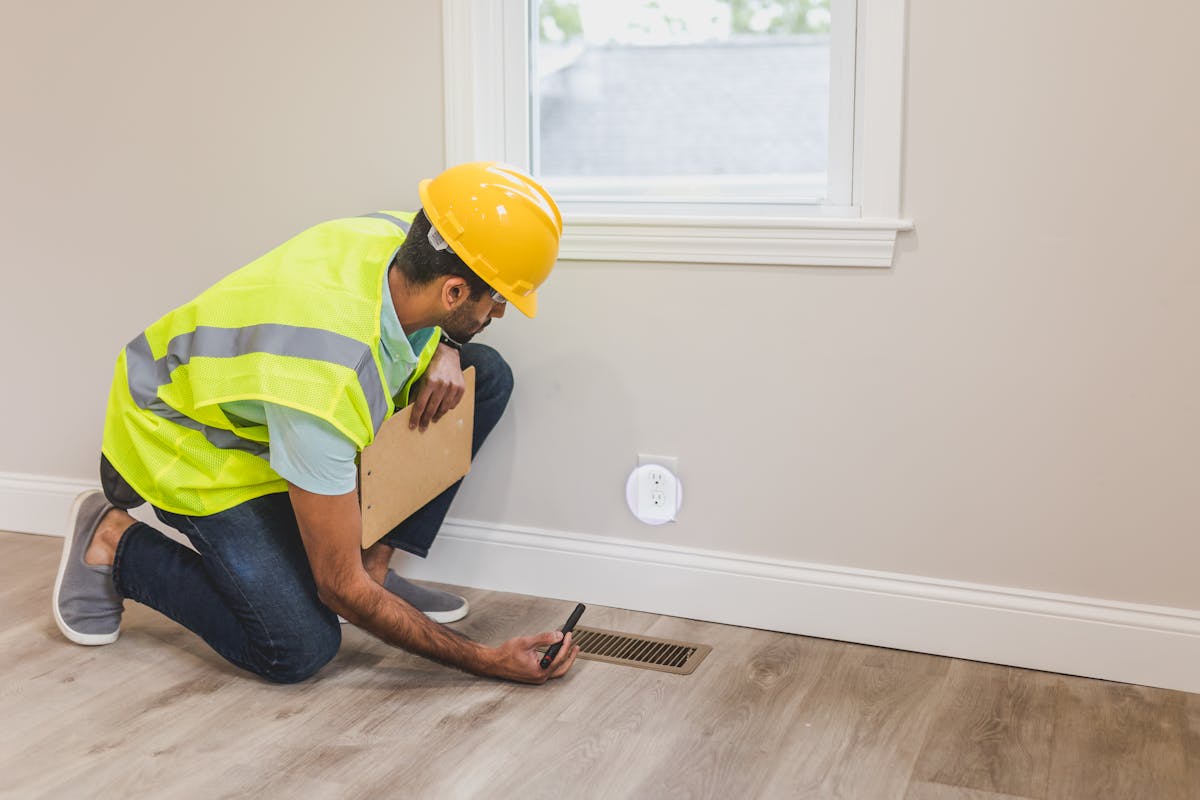
Professional EPC surveys across Eltham.
Kubo covers all of Eltham and the surrounding areas including SE9, Eltham High Street, and the surrounding residential streets. We can usually book a survey near you within 1 to 2 working days.
Eltham is a well-established residential area in south-east London with extensive 1930s housing stock, including the iconic Well Hall estate. There's also a mix of Victorian properties, post-war council housing, and some newer developments near the town centre.
Also covering nearby: Blackheath, Sidcup, Mottingham, Greenwich, Woolwich, Bexley, Chislehurst
Get a quote nowHow Kubo works
Your EPC, sorted in three simple steps. Our assessors cover SE9 regularly and can usually reach Eltham within 1-2 working days.
Get an instant quote
Pick your service, enter your property details, and see a fixed price in 60 seconds.
Book in seconds
Pay securely online. We confirm your slot the same day, often within the hour.
Certified within 24 hours
We visit, complete the survey, and lodge your certificate on the government register.
What is an EPC?
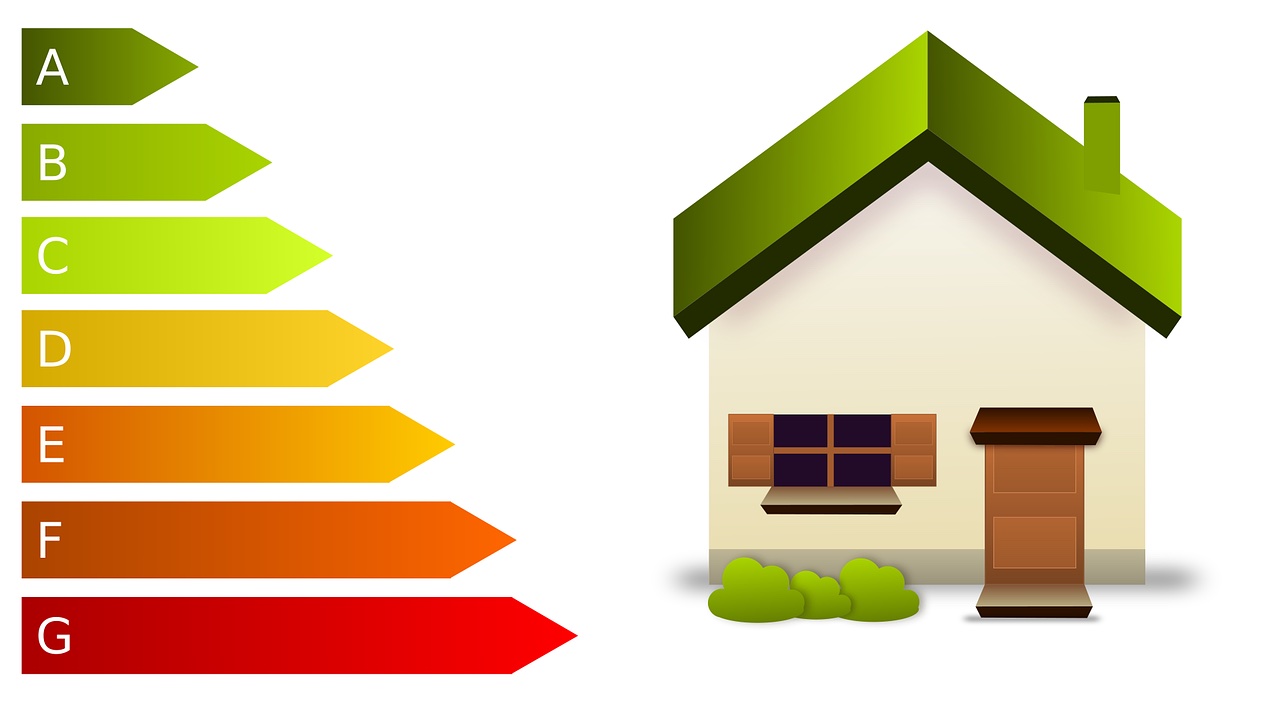
An Energy Performance Certificate (EPC) rates your property's energy efficiency from A (most efficient) to G (least efficient). It's a legal requirement in England and Wales whenever you sell, rent, or build a property.
- Legally required: You must have a valid EPC before marketing a property for sale or rent. Failure to provide one can result in a fine of up to £5,000.
- Valid for 10 years: Once issued, your certificate lasts a decade. No need to renew unless you want an updated rating after improvements.
- Includes recommendations: Every EPC comes with practical suggestions to improve your rating, from loft insulation to upgraded boilers.
- Registered on a public database: Your certificate is lodged on the government's EPC register within 24 hours of assessment.
Rated 5.0 on Google
Read what homeowners and landlords say about working with us.
Very professional, communicated prior to visit and offered consultancy on how to improve the energy rating and provided the EPC on the same day! Highly recommend the service.
Very professional and got report done on same day.
Great service from start to finish. I booked an EPC and the whole process was smooth and professional. Everything was completed quickly and the communication was clear throughout. Very happy with the service and would definitely recommend.
Why choose Kubo?
We know Eltham's housing stock well — from the Well Hall estate to the larger homes along Bexley Road and Shooters Hill.
Fully accredited
Quidos and Elmhurst accredited Domestic Energy Assessors, registered with approved schemes.
Next-day appointments
Need it fast? We offer next-day and same-day bookings across London and surrounding areas.
Fixed pricing from £69
No hidden fees, no call-out charges. The price you see online is the price you pay.
Rated 5.0 on Google
Real reviews from homeowners and landlords across London. Professional, punctual, and helpful.


Frequently asked questions
Common questions about our services in Eltham
Properties in Eltham
Eltham's housing is shaped by the inter-war building boom, with large estates of 1930s semis and terraces alongside post-war council housing and a handful of notable architectural heritage.
Common property types
- 1930s semis and terraces: The dominant property type across Eltham, concentrated in the Well Hall, Eltham Park, and Southend Crescent areas. These three-bedroom houses were built with cavity walls, bay windows at the front, and suspended timber ground floors. The bay windows are a recurring EPC issue because the cavity behind them is often narrower than the main walls or not insulated at all, creating a cold bridge that drags ratings down. Most have had some loft insulation added over the years, but the depth is frequently below the recommended 270mm.
- The Progress Estate: A distinctive Arts and Crafts garden suburb built in the 1910s and 1920s for workers at the nearby Woolwich Arsenal. The estate features cottage-style houses with rendered walls, tiled roofs, and a unified architectural character that gives it a strong visual identity. Construction methods vary across the estate, with some properties having solid walls and others having early cavity construction. The decorative render, tile-hanging, and timber detailing all need to be recorded accurately during an EPC assessment, making these visits more involved than a standard 1930s semi.
- Mottingham post-war housing: The Mottingham Estate and surrounding streets include 1950s semi-detached houses, terraces, and low-rise flats built by the London County Council. Many have been transferred to housing associations or sold under Right to Buy. Construction is typically brick cavity wall or concrete panel, and heating systems range from modern gas combi boilers in renovated properties to older back boilers and storage heaters in those that have not been updated. These properties often have the most room for EPC rating improvement through affordable upgrades.
- Converted flats in larger houses: Several of the bigger Victorian and Edwardian properties near Eltham High Street have been subdivided into self-contained flats. Each unit requires its own EPC when sold or let. Shared heating systems, communal hallways, and non-standard layouts all need careful recording during the assessment.
- 1960s tower blocks and low-rise flats: Purpose-built council flats around Mottingham and parts of Kidbrooke, including some tower blocks. These are typically concrete panel construction with electric heating. Many have been improved under regeneration programmes, but those that have not been updated often score E or F.
- Victorian properties near the High Street: A smaller stock of Victorian terraced and semi-detached houses exists around Eltham High Street and towards the Bob Hope Theatre area. These have solid brick walls, higher ceilings, and original features that affect EPC performance. Many have been converted into flats, and each self-contained unit requires its own EPC when let or sold separately.
Typical EPC issues we find in Eltham
- Uninsulated bay window walls: Almost every 1930s property in Eltham has a front bay window. The cavity behind the bay is typically too narrow for standard cavity wall insulation or was simply skipped when the main walls were filled. This creates a cold spot that the EPC assessment must record separately, reducing the overall wall insulation score for the property.
- Suspended timber floors with no insulation: The 1930s houses in Well Hall and Eltham Park were built with suspended timber ground floors and airbricks for ventilation. Very few have ever had underfloor insulation installed because it requires either lifting the floorboards from above or accessing the void from below. This is consistently one of the recommended improvements on Eltham EPC reports.
- Loft insulation below recommended depth: While most Eltham properties have some loft insulation, many were topped up years ago and sit well below the recommended 270mm. The older mineral wool can also compress and lose effectiveness over time. A loft top-up is one of the cheapest and most effective EPC improvements available.
- Single-glazed sash windows in Victorian properties: The older houses near Eltham High Street often retain original single-glazed windows or have a mix of old and replacement windows. Each window type must be recorded separately in the assessment, and single glazing scores significantly worse than double or triple glazing.
- Electric storage heaters in ex-council flats: Some Mottingham estate flats still have Economy 7 storage heaters, which score poorly under RDSAP methodology. Switching to modern panel heaters with individual thermostatic controls or gas central heating where available can improve a rating by one or two bands.
- Converted flats with shared systems: Victorian properties near the High Street that have been split into flats can present EPC challenges. Shared heating systems, communal hallways, and non-standard layouts all need careful assessment. Each self-contained unit requires its own EPC when sold or let separately.
Nearby areas we cover
As well as Eltham, we cover the surrounding SE postcodes. Same day and next day appointments are available across all of them.
Mottingham · New Eltham · Deptford · Greenwich · Charlton · Kennington · Catford · Grove Park · Lee · Camberwell
Commercial property in Eltham? We also do commercial EPCs in Eltham for shops, offices, restaurants and industrial units, from £149.
Book your EPC in Eltham today
Get an instant quote, pick a time that suits you, and have your certificate lodged on the government register within 24 hours.
Get your EPC quoteWhat our customers say
Rated 5.0 out of 5 on Google.