Energy Performance Certificates in Petts Wood
- Fixed prices from £69
- Lodged on the government register within 24 hours
- Local accredited assessor
- Rated 5.0 on Google · 1,000+ jobs completed
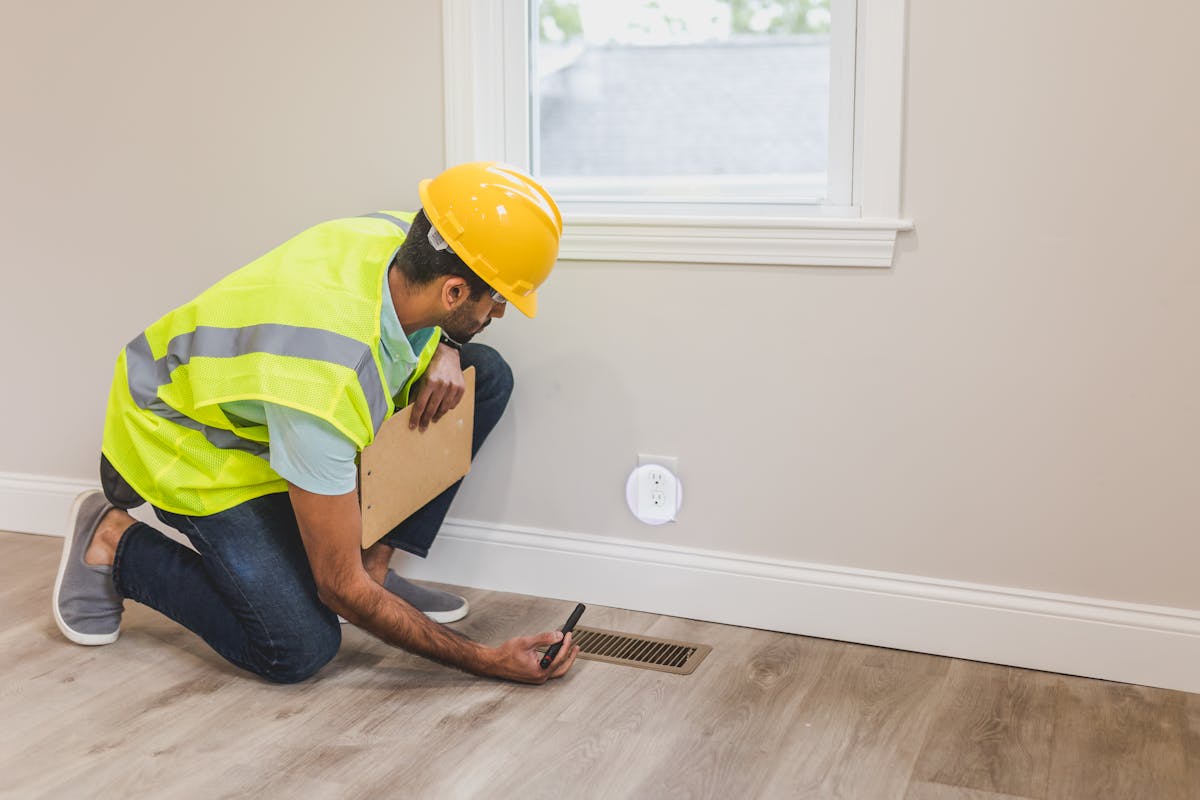
Professional EPC surveys across Petts Wood.
Kubo covers all of Petts Wood and the surrounding areas including BR5, Petts Wood station, and the surrounding residential streets. We can usually book a survey near you within 1 to 2 working days.
Petts Wood is a 1930s garden suburb with a distinctive planned layout and uniform housing style. The area is characterised by well-built semi-detached and detached houses with generous gardens, many retaining original features like leaded windows and tiled porches.
Also covering nearby: Orpington, Chislehurst, Bromley, Sidcup, West Wickham, Beckenham
Get a quote nowHow Kubo works
Your EPC, sorted in three simple steps. Our assessors cover BR5 regularly and can usually reach Petts Wood within 1-2 working days.
Get an instant quote
Tell us the property type and how many bedrooms, and you will see the price before you book.
Book in seconds
Secure online payment, and we come back to you with a confirmed time the same day.
Certified within 24 hours
The assessor visits, completes the survey, and your certificate is registered within a day.
What is an EPC?
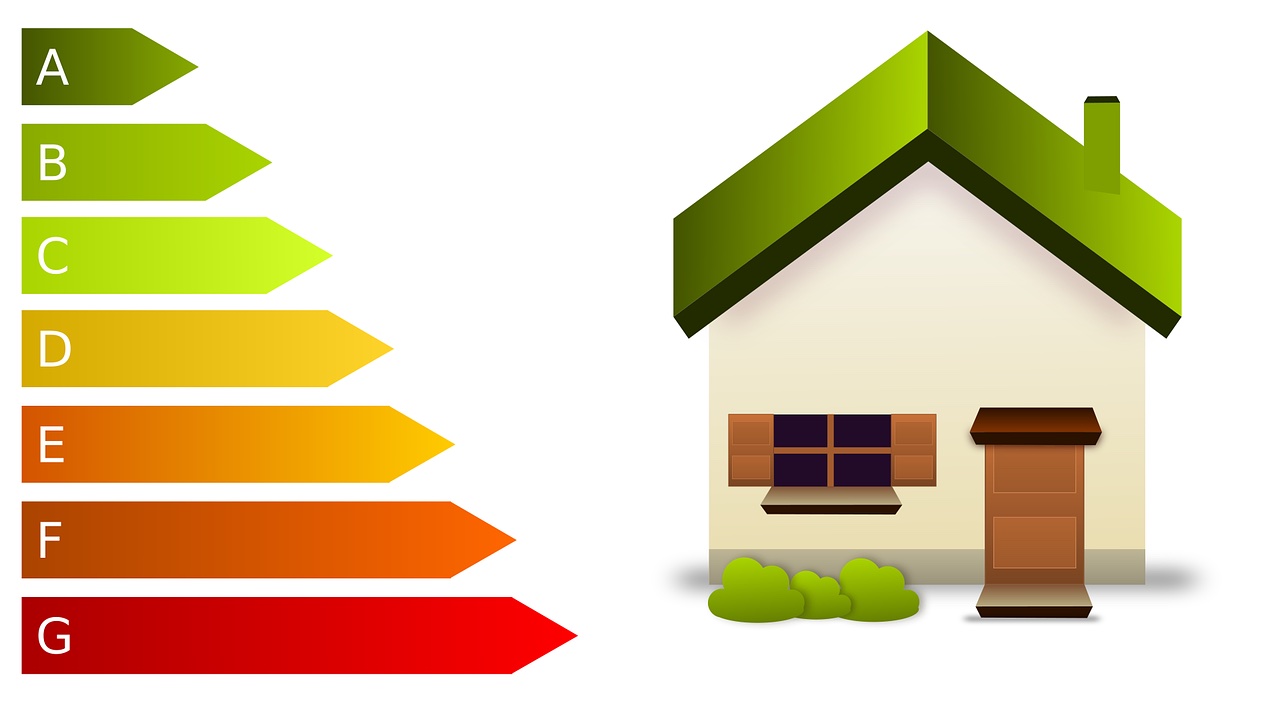
An Energy Performance Certificate (EPC) rates your property's energy efficiency from A (most efficient) to G (least efficient). It's a legal requirement in England and Wales whenever you sell, rent, or build a property.
- Legally required: You must have a valid EPC before marketing a property for sale or rent. Failure to provide one can result in a fine of up to £5,000.
- Valid for 10 years: Once issued, your certificate lasts a decade. No need to renew unless you want an updated rating after improvements.
- Includes recommendations: Every EPC comes with practical suggestions to improve your rating, from loft insulation to upgraded boilers.
- Registered on a public database: Your certificate is lodged on the government's EPC register within 24 hours of assessment.
Rated 5.0 on Google
Read what homeowners and landlords say about working with us.
Very professional, communicated prior to visit and offered consultancy on how to improve the energy rating and provided the EPC on the same day! Highly recommend the service.
Very professional and got report done on same day.
Great service from start to finish. I booked an EPC and the whole process was smooth and professional. Everything was completed quickly and the communication was clear throughout. Very happy with the service and would definitely recommend.
Why choose Kubo?
We know Petts Wood's distinctive 1930s garden suburb housing — the original features like leaded windows and tiled porches need careful assessment.
Fully accredited
Our assessors hold Quidos and Elmhurst accreditation and sit on the approved scheme registers.
Next-day appointments
We keep slots free for urgent work, so next day and same day bookings are usually possible.
Fixed pricing from £69
No hidden fees, no call-out charges. The price you see online is the price you pay.
Rated 5.0 on Google
Real reviews from homeowners and landlords across London. Professional, punctual, and helpful.


Frequently asked questions
Common questions about our services in Petts Wood
Properties in Petts Wood
Petts Wood is one of the most planned and homogeneous suburbs in south-east London — almost entirely developed in the 1930s by William Willett's estate, it retains a consistent architectural character protected by conservation area status.
Common property types
- 1930s semi-detached houses: The vast majority of Petts Wood's housing is 1930s semi-detached, arranged on tree-lined streets between the station and Petts Wood Road. These properties have cavity walls, generous loft spaces, and typically three bedrooms. They were well built for their era. The conservation area status means external changes require planning consent, but internal works — cavity fill, loft insulation, boiler upgrades — are unrestricted. This makes Petts Wood properties particularly tractable from an EPC improvement perspective.
- 1930s detached houses: A proportion of the original development was detached, particularly on larger plots south of Petts Wood Road and around Towncourt Lane. These tend to be four-bedroom properties with garages and side accesses. Same cavity wall construction as the semis, and the same profile of EPC improvement opportunities. Detached properties often have better access to loft spaces and larger south-facing gardens that can accommodate solar panels.
- Bungalows on the southern fringes: Some bungalow development exists on the edges of Petts Wood, particularly toward St Mary Cray. Bungalows have the advantage of simple loft access and often large flat roof areas above rear extensions, which are a common source of heat loss. These single-storey properties tend to be straightforward to assess and improve.
- End-terrace houses on the St Mary Cray border: Toward St Mary Cray, some short terraces of 1930s houses exist alongside the dominant semis. These end-terrace properties have more exposed wall area than mid-terrace equivalents, which affects heat loss calculations in RDSAP. Cavity fill is particularly beneficial here.
- Chalet bungalows: A handful of chalet-style bungalows with rooms in the roof space can be found on the edges of Petts Wood. These have complex roof geometries that affect insulation options, and the habitable loft space means standard loft insulation recommendations don't always apply.
- Modern infill development: A small number of modern houses and flats have been built on infill plots within the Petts Wood area, typically achieving B or C ratings from new. These newer properties rarely need significant work to meet current standards.
Typical EPC issues we find in Petts Wood
- Unfilled cavity walls: Petts Wood's 1930s semis and detached houses are textbook cavity wall candidates. Many have never had the treatment despite the walls being straightforwardly treatable. This is consistently the top recommendation on assessments here, and cavity fill is one of the lowest-cost, highest-impact improvements available.
- Loft insulation below 270mm: Many properties had insulation installed in the 1990s or early 2000s at 100-150mm. Topping up to 270mm is low cost and improves the SAP score measurably. This is a frequent secondary recommendation.
- Old boilers: Some properties retain original or older replacement boilers. A modern A-rated condensing boiler is the most impactful single improvement for many Petts Wood properties, particularly those that haven't had cavity wall treatment.
- Conservatories on 1930s semis: Many Petts Wood semis have had conservatories added over the decades. If the conservatory is separated from the house by external-quality doors, it's treated as unheated space. If the separating wall has been removed, the conservatory becomes part of the heated envelope, which often worsens the EPC score due to poor roof and glazing U-values.
- Partial double glazing: Some properties have had windows replaced piecemeal over the years, leaving a mix of single and double glazing. RDSAP assesses the overall proportion, so even a few remaining single-glazed windows pull the score down.
Nearby areas we cover
As well as Petts Wood, we cover the surrounding BR postcodes. Same day and next day appointments are available across all of them.
Orpington · St Mary Cray · St Paul's Cray · Chelsfield · Cudham · Downe · Farnborough · Green Street Green · Locksbottom · Pratts Bottom
Commercial property in Petts Wood? We also do commercial EPCs in Petts Wood for shops, offices, restaurants and industrial units, from £149.
Book your EPC in Petts Wood today
Get an instant quote, pick a time that suits you, and have your certificate lodged on the government register within 24 hours.
Get your EPC quoteWhat our customers say
Rated 5.0 out of 5 on Google.