Energy Performance Certificates in Marylebone
- Fixed prices from £69
- Lodged on the government register within 24 hours
- Local accredited assessor
- Rated 5.0 on Google · 1,000+ jobs completed

Professional EPC surveys across Marylebone.
Marylebone is home to some of London's most distinguished Georgian and Regency townhouses, many within the Howard de Walden Estate. Our assessors are experienced with the thick solid masonry walls, sash windows and original timber floor construction typical of W1U and W1G properties.
From mansion flats along Harley Street to Victorian conversion flats on Wigmore Street and Devonshire Place, we carry out EPCs efficiently and with minimal disruption. We cover the whole W1 postcode and into NW1 toward Regent's Park.
Also covering nearby: Harley Street, Wigmore Street, Devonshire Place, Welbeck Street, Chiltern Street, Baker Street
Get a quote nowHow Kubo works
Your EPC, sorted in three simple steps. Our assessors cover W1U, W1H, W1G, NW1 regularly and can usually reach Marylebone within 1-2 working days.
Get an instant quote
Pick your service, enter your property details, and see a fixed price in 60 seconds.
Book in seconds
Pay securely online. We confirm your slot the same day, often within the hour.
Certified within 24 hours
We visit, complete the survey, and lodge your certificate on the government register.
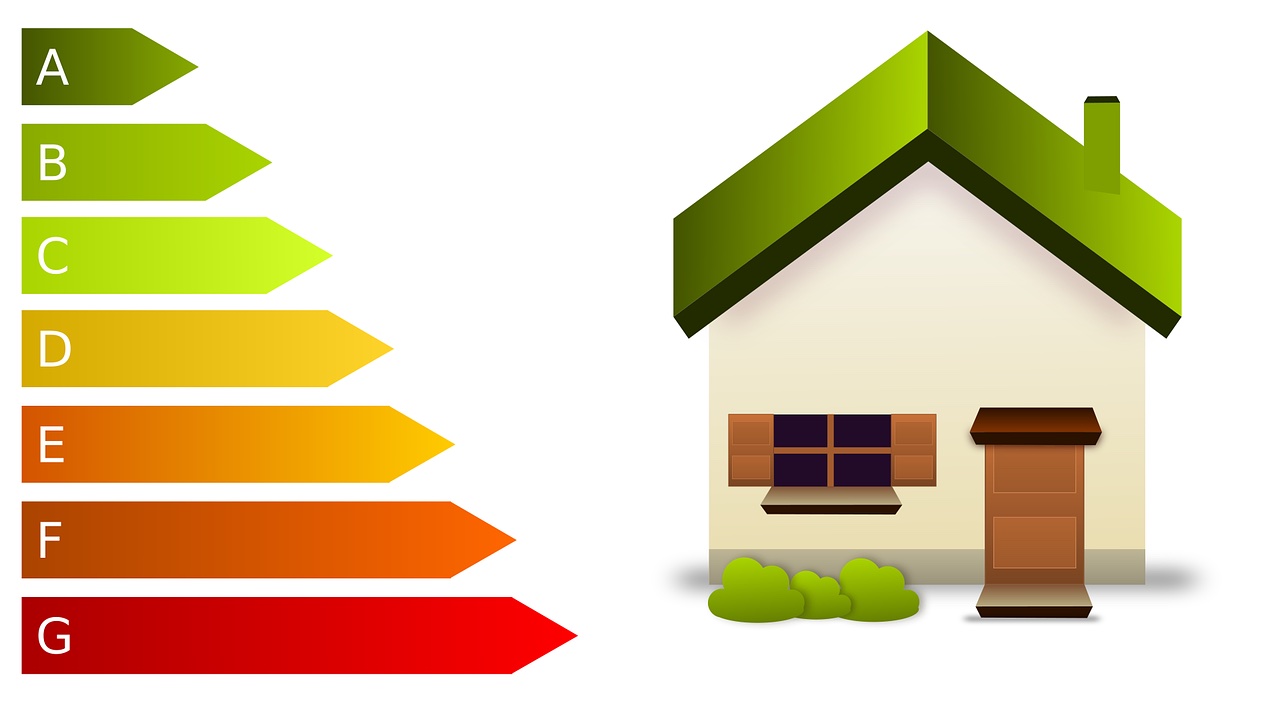
What is an EPC?
An Energy Performance Certificate (EPC) rates your property's energy efficiency from A (most efficient) to G (least efficient). It's a legal requirement in England and Wales whenever you sell, rent, or build a property.
- Legally required: You must have a valid EPC before marketing a property for sale or rent. Failure to provide one can result in a fine of up to £5,000.
- Valid for 10 years: Once issued, your certificate lasts a decade. No need to renew unless you want an updated rating after improvements.
- Includes recommendations: Every EPC comes with practical suggestions to improve your rating, from loft insulation to upgraded boilers.
- Registered on a public database: Your certificate is lodged on the government's EPC register within 24 hours of assessment.
Rated 5.0 on Google
Read what homeowners and landlords say about working with us.
Very professional, communicated prior to visit and offered consultancy on how to improve the energy rating and provided the EPC on the same day! Highly recommend the service.
Very professional and got report done on same day.
Great service from start to finish. I booked an EPC and the whole process was smooth and professional. Everything was completed quickly and the communication was clear throughout. Very happy with the service and would definitely recommend.
Why choose Kubo?
Marylebone's stock spans Howard de Walden Estate townhouses, mansion flats and Georgian conversions, all with distinct EPC considerations.
Fully accredited
Quidos and Elmhurst accredited Domestic Energy Assessors, registered with approved schemes.
Next-day appointments
Need it fast? We offer next-day and same-day bookings across London and surrounding areas.
Fixed pricing from £69
No hidden fees, no call-out charges. The price you see online is the price you pay.
Rated 5.0 on Google
Real reviews from homeowners and landlords across London. Professional, punctual, and helpful.


Frequently asked questions
Common questions about our services in Marylebone
Properties in Marylebone
Marylebone combines grand Georgian terraces managed by the Howard de Walden Estate with Victorian mansion blocks and more recent mansion flat conversions. Properties here typically feature solid brick walls and original sash windows, which influence both the EPC rating and the recommended improvements. Whether you own a flat on Welbeck Street or a whole townhouse near Devonshire Place, an EPC is a legal requirement for every letting or sale.
Common property types
- Howard de Walden Estate Townhouses: The grade II listed terraced townhouses along Wimpole Street, Queen Anne Street and Welbeck Street are emblematic of the Howard de Walden Estate. Solid 9-inch brick walls, period sash windows and original floorboards mean these properties often score in the D to E band, with draught-proofing and secondary glazing among the most practical improvements available without compromising listing consent.
- Marylebone High Street Mansion Flats: The mansion blocks flanking Marylebone High Street and Thayer Street date from the late Victorian and Edwardian periods. Converted into self-contained flats, they typically have solid brick party walls and suspended timber floors. Each flat requires its own EPC, and heating system type is a key variable for ratings in these buildings.
- Georgian Conversion Flats on Devonshire Place: Devonshire Place and its immediate neighbours contain large Georgian townhouses subdivided into flats, often over five or six storeys. Assessors must account for roof access on top-floor flats and ground-floor heat loss on basement conversions, both of which affect the final rating significantly.
- New-build Apartments near Baker Street: Pockets of new residential development near Baker Street and along the A41 corridor include purpose-built flats with modern insulation standards. These typically achieve B or C ratings with gas or heat pump systems and double-glazed windows, forming a clear contrast to the surrounding period stock.
Typical EPC issues we find in Marylebone
- Solid Wall Heat Loss: The majority of Marylebone's Georgian and Victorian stock has solid brick walls with no cavity, meaning standard cavity fill is not applicable. External or internal wall insulation is possible but costly and may require listed building consent, which often means these properties remain in the D or E band.
- Listed Building Constraints on Glazing: Many Howard de Walden Estate properties are listed or within conservation areas, restricting double-glazing upgrades. Assessors record glazing type as observed and note where improvement measures are constrained by planning, ensuring the EPC reflects accurate potential ratings.
- Shared Heating in Mansion Blocks: Some Edwardian mansion blocks on Welbeck Street and Devonshire Street use communal boiler systems. Correctly identifying whether heating is communal or individual is essential for an accurate EPC, and assessors need access to plant room details or service charge breakdowns in these cases.
- Complex Split-Level Layouts: Duplex and split-level conversions are common in the larger Georgian townhouses. Measuring heat loss perimeters accurately across multiple levels requires careful on-site assessment to avoid over- or under-stating the property's energy demand.
Nearby areas we cover
As well as Marylebone, we cover the surrounding W postcodes. Same day and next day appointments are available across all of them.
Fitzrovia · Mayfair · Soho · Bayswater · Paddington · Acton · Chiswick · Ealing · Hammersmith · Hanwell
Commercial property in Marylebone? We also do commercial EPCs in Marylebone for shops, offices, restaurants and industrial units, from £149.
Book your EPC in Marylebone today
Get an instant quote, pick a time that suits you, and have your certificate lodged on the government register within 24 hours.
Get your EPC quoteWhat our customers say
Rated 5.0 out of 5 on Google.