Energy Performance Certificates in Plumstead
- Fixed prices from £69
- Lodged on the government register within 24 hours
- Local accredited assessor
- Rated 5.0 on Google · 1,000+ jobs completed
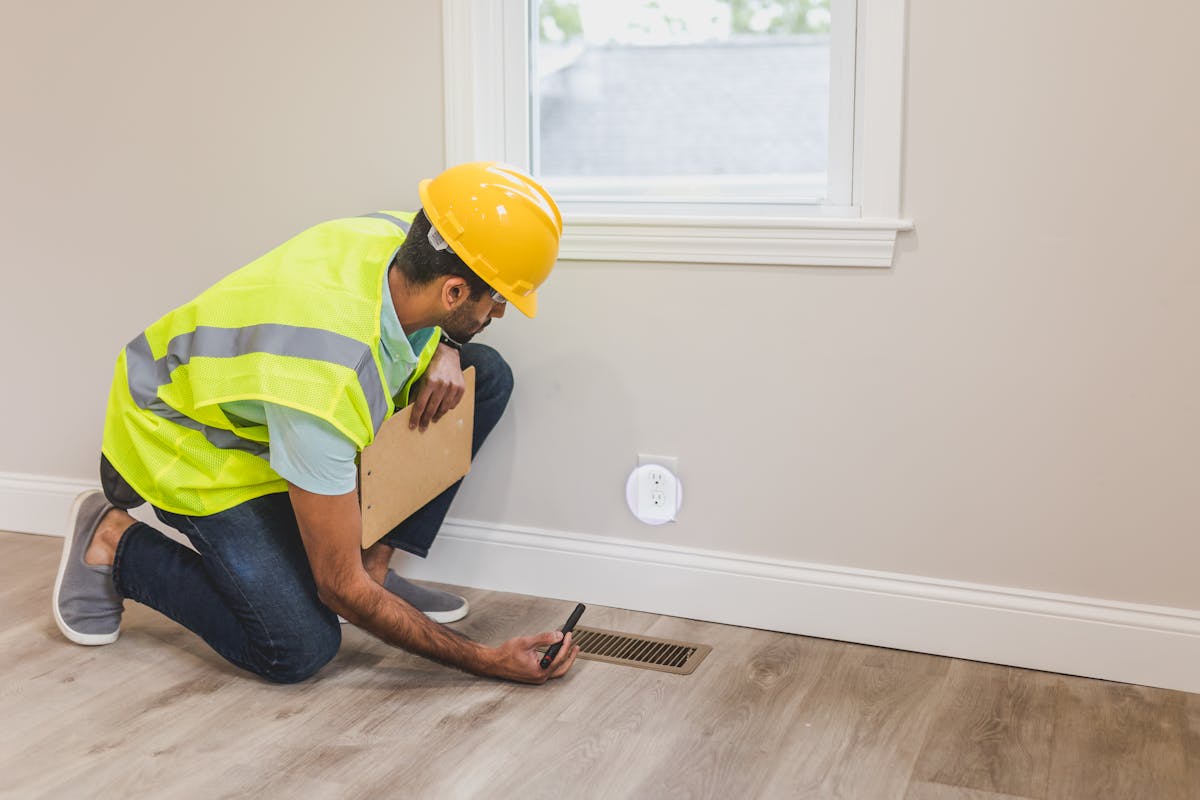
Professional EPC surveys across Plumstead.
Kubo covers all of Plumstead and the surrounding areas including SE18, Plumstead Common, and the streets towards Shooters Hill. We can usually book a survey near you within 1 to 2 working days.
Plumstead has a diverse housing stock including Victorian terraces around Plumstead Common, inter-war council housing, 1960s estates, and newer developments. The Elizabeth Line has significantly improved connectivity and is driving increased property market activity.
Also covering nearby: Woolwich, Abbey Wood, Erith, Greenwich, Eltham, Blackheath, Welling
Get a quote nowHow Kubo works
Your EPC, sorted in three simple steps. Our assessors cover SE18 regularly and can usually reach Plumstead within 1-2 working days.
Get an instant quote
Choose your service, add a few property details, and your fixed price appears straight away.
Book in seconds
Book and pay online. We confirm your appointment the same day, usually within the hour.
Certified within 24 hours
We carry out the survey and lodge the certificate on the national register within 24 hours.
What is an EPC?
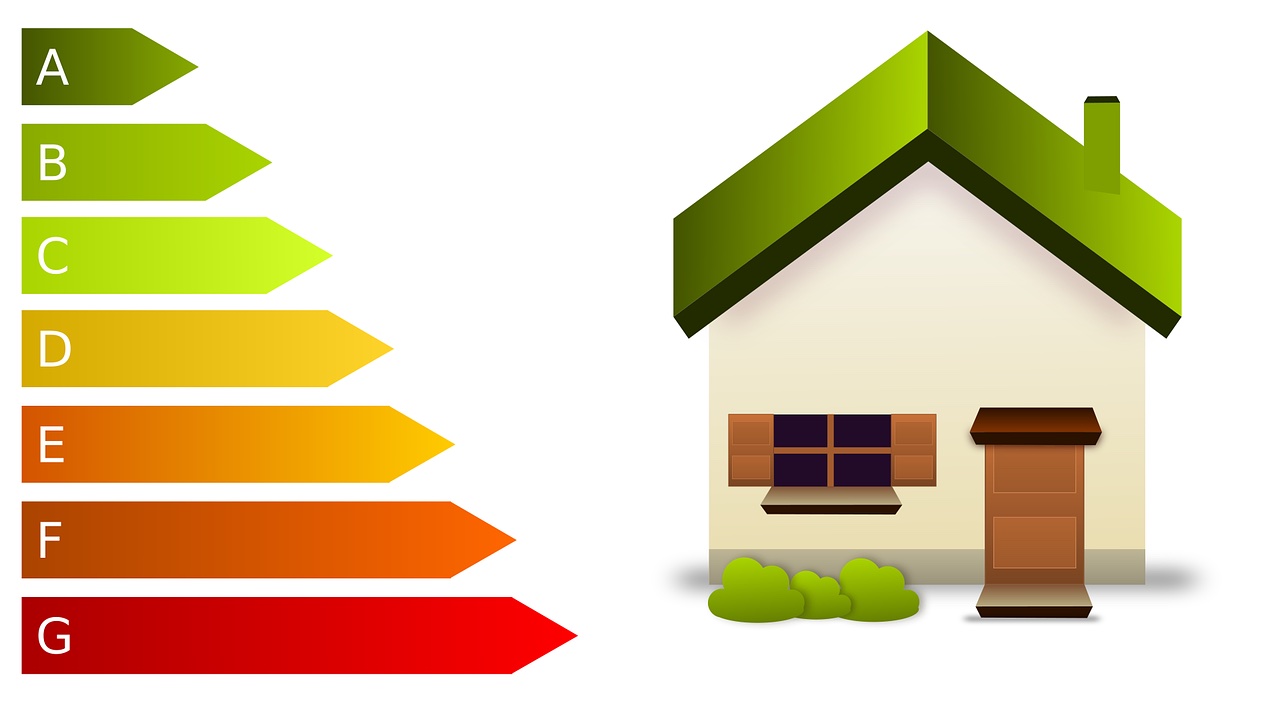
An Energy Performance Certificate (EPC) rates your property's energy efficiency from A (most efficient) to G (least efficient). It's a legal requirement in England and Wales whenever you sell, rent, or build a property.
- Legally required: You must have a valid EPC before marketing a property for sale or rent. Failure to provide one can result in a fine of up to £5,000.
- Valid for 10 years: Once issued, your certificate lasts a decade. No need to renew unless you want an updated rating after improvements.
- Includes recommendations: Every EPC comes with practical suggestions to improve your rating, from loft insulation to upgraded boilers.
- Registered on a public database: Your certificate is lodged on the government's EPC register within 24 hours of assessment.
Rated 5.0 on Google
Read what homeowners and landlords say about working with us.
Very professional, communicated prior to visit and offered consultancy on how to improve the energy rating and provided the EPC on the same day! Highly recommend the service.
Very professional and got report done on same day.
Great service from start to finish. I booked an EPC and the whole process was smooth and professional. Everything was completed quickly and the communication was clear throughout. Very happy with the service and would definitely recommend.
Why choose Kubo?
We regularly assess across Plumstead and Shooters Hill — from Victorian terraces around the Common to the varied housing stock on surrounding estates.
Fully accredited
Accredited through Quidos and Elmhurst, and registered with the approved government schemes.
Next-day appointments
Short notice is fine. Next day and same day appointments are available right across our area.
Fixed pricing from £69
No hidden fees, no call-out charges. The price you see online is the price you pay.
Rated 5.0 on Google
Real reviews from homeowners and landlords across London. Professional, punctual, and helpful.


Frequently asked questions
Common questions about our services in Plumstead
Properties in Plumstead
Plumstead is a dense residential area in the Royal Borough of Greenwich. Victorian terraces dominate around Plumstead Common and Plumstead High Street, with significant ex-council housing towards the Thamesmead borders. A strong rental market is driven by proximity to Woolwich Arsenal and Elizabeth line access at nearby Abbey Wood.
Common property types
- Victorian terraces around Plumstead Common: The streets surrounding Plumstead Common, including Lakedale Road, Purrett Road, and Warwick Terrace, are lined with Victorian terraced houses built between 1880 and 1910. These are constructed with solid brick walls, typically 9-inch single-skin brickwork, which is the least thermally efficient wall type under RDSAP assessment. Many of these terraces have been converted into two or more self-contained flats, each of which requires its own EPC when sold or let. The original houses feature bay windows to the front, slate roofs, and small rear yards that have often been extended with single-storey additions. Ceiling heights are generous compared to modern builds, which increases the volume of air to heat. Sash windows survive in many properties, though most have been replaced with uPVC double glazing over the years. Ground floor flats in converted houses are particularly prone to damp issues where the original damp-proof course has failed or where the rear extension sits below the garden level. Loft conversions are common in these terraces and add habitable space, but the quality of insulation in the conversion varies widely.
- 1930s semis on Wickham Lane and Winn Road: Moving south from the Common towards Welling, the housing transitions to 1930s semi-detached houses concentrated along Wickham Lane, Winn Road, and the surrounding streets. These are typical interwar suburban homes built for private sale, with cavity brick walls, hipped roofs covered in clay tiles, and front gardens with driveways. The cavity walls in these properties are often unfilled, which represents the biggest opportunity for EPC improvement. Many still have their original internal layouts of two reception rooms and a rear kitchen on the ground floor, with three bedrooms and a bathroom above. Side return extensions and rear additions are common modifications. Some properties retain original steel-framed Crittall windows, particularly in side elevations and bathrooms, which are single-glazed and a significant source of heat loss. The hipped roof design reduces the available loft area compared to gable-ended designs, but there is typically enough accessible space for effective loft insulation. These semis generally score D or low C on EPCs, with cavity wall insulation and a boiler upgrade being the most common recommendations.
- Post-war council blocks near Thamesmead border: The northern and eastern edges of Plumstead, towards Thamesmead, feature large estates of post-war council housing built from the 1950s through to the 1970s. These include a mix of low-rise and medium-rise blocks constructed using concrete panel systems, which were common in London council housing of this era. Many blocks have communal heating systems, where a central boiler plant serves all flats through a shared distribution network. Under RDSAP, communal heating is assessed based on the efficiency of the shared system, not individual boilers, and older communal systems often score poorly. Concrete panel construction provides minimal thermal insulation, and many blocks have not had external wall insulation retrofitted. Single-glazed metal-framed windows survive in some unrenovated blocks, though many have been replaced through estate improvement programmes. Individual flats within these blocks vary in their EPC ratings depending on which improvements have been carried out. Upper floor flats tend to score slightly better than ground floor units, which lose more heat to the ground. Access for assessment can sometimes require coordination with building management.
- Edwardian houses near Plumstead station: The streets immediately surrounding Plumstead station, particularly along Plumstead High Street and the roads leading south towards the Common, contain Edwardian houses built between 1900 and 1914. These are larger than the typical Victorian terraces, often with four or five bedrooms and more generous proportions throughout. Many were built as substantial family homes for the middle classes who commuted into London by rail. Construction is solid brick, similar to the Victorian terraces, but with slightly thicker walls in some cases and more decorative external features including moulded brickwork and stone lintels. Original features such as picture rails, ceiling roses, and tiled hallway floors survive in many of these properties. From an EPC perspective, the solid walls remain the dominant issue, just as with the Victorian terraces. However, the larger floor areas mean these properties need more energy to heat, which can push running cost estimates higher on the certificate. Some have been converted into flats, though fewer than the smaller terraces. Where properties remain as single family homes, they tend to have had more investment in improvements such as modern boilers, double glazing, and loft insulation.
Typical EPC issues we find in Plumstead
- Solid walls in Victorian stock: The Victorian terraces around Plumstead Common and along the High Street have solid brick walls that cannot be cavity-filled. External or internal wall insulation is the recommended improvement, but both are expensive and disruptive. Without addressing the walls, these properties typically sit at D or E.
- Communal heating in blocks scoring differently: The council blocks near Thamesmead often have communal heating systems that are assessed as a whole under RDSAP. An inefficient communal system pulls down the rating for every flat in the block, regardless of individual improvements made within each unit.
- Poor insulation in ex-council properties: Many ex-council flats and houses in Plumstead have minimal insulation in walls, floors, and roofs. Where concrete panel construction is used, retrofitting insulation externally is the most effective approach, but this requires agreement from the freeholder or housing association.
- Damp in ground floor flats: Ground floor flats in converted Victorian terraces on Lakedale Road and Purrett Road frequently suffer from damp, particularly in rear rooms and extensions. While damp itself is not directly assessed in an EPC, it often indicates failed damp-proof courses and poor ventilation, both of which relate to the building's thermal performance.
- Aging boilers in rental properties: The strong rental market in Plumstead means many properties have boilers that landlords have maintained but not replaced. Boilers over 15 years old score poorly under RDSAP, and upgrading to a modern condensing model is one of the most impactful single improvements available.
Nearby areas we cover
As well as Plumstead, we cover the surrounding SE postcodes. Same day and next day appointments are available across all of them.
Woolwich · Crystal Palace · Penge · Rotherhithe · Dulwich · Peckham · East Dulwich · New Cross · Forest Hill · Hither Green
Commercial property in Plumstead? We also do commercial EPCs in Plumstead for shops, offices, restaurants and industrial units, from £149.
Book your EPC in Plumstead today
Get an instant quote, pick a time that suits you, and have your certificate lodged on the government register within 24 hours.
Get your EPC quoteWhat our customers say
Rated 5.0 out of 5 on Google.